
PlayStation is Sony’s flagship gaming brand and one of the most recognized names in the video game industry. Since its debut in 1994, PlayStation has sold over 500 million consoles worldwide. The brand includes home consoles, handheld devices, online services, and exclusive games. This guide explains what PlayStation is, how it evolved, and why it continues to dominate gaming culture. Whether someone is new to gaming or a long-time fan, understanding PlayStation helps clarify its role in modern entertainment.
Table of Contents
ToggleKey Takeaways
- PlayStation is Sony’s flagship gaming brand that has sold over 500 million consoles worldwide since its 1994 debut.
- The PlayStation 2 remains the best-selling console of all time with over 155 million units sold.
- PlayStation offers services like PlayStation Plus, PlayStation Network, and PlayStation VR to create a complete gaming ecosystem.
- Sony’s investment in exclusive games from studios like Naughty Dog and Insomniac Games drives PlayStation’s competitive advantage.
- The PlayStation 5 features cutting-edge technology including an ultra-high-speed SSD, ray tracing graphics, and the innovative DualSense controller.
- PlayStation maintains market dominance through brand recognition, global reach, and consistent hardware innovation.
The History of PlayStation
Sony launched the original PlayStation in Japan on December 3, 1994. The console entered the North American market in September 1995. Sony created PlayStation after a failed partnership with Nintendo to develop a CD-ROM add-on for the Super Nintendo.
Ken Kutaragi, often called the “Father of PlayStation,” led the project. He convinced Sony’s leadership to enter the gaming market even though skepticism. The gamble paid off. The original PlayStation sold over 102 million units globally.
PlayStation changed the gaming industry in several ways. It introduced CD-based games, which offered more storage than cartridges. This allowed developers to create larger worlds, better audio, and full-motion video. Games like Final Fantasy VII, Metal Gear Solid, and Resident Evil became cultural touchstones.
Sony positioned PlayStation as a device for adults and teenagers, not just children. This marketing strategy expanded gaming’s audience. By the late 1990s, PlayStation had become synonymous with modern gaming.
PlayStation Console Generations
Sony has released five main PlayStation console generations, each building on the last.
PlayStation (PS1)
The original console (1994) pioneered 3D gaming for mainstream audiences. It featured iconic titles like Crash Bandicoot, Gran Turismo, and Tekken.
PlayStation 2 (PS2)
Released in 2000, the PS2 remains the best-selling console of all time with over 155 million units sold. It played DVDs, which boosted its appeal. The PS2 library includes Grand Theft Auto: San Andreas, Kingdom Hearts, and God of War.
PlayStation 3 (PS3)
The PS3 launched in 2006 with a built-in Blu-ray player. Its high price initially slowed sales, but the console eventually sold 87 million units. The PS3 introduced PlayStation Network for online gaming and digital purchases.
PlayStation 4 (PS4)
Sony released the PS4 in 2013. It focused on social features and streaming capabilities. The console sold over 117 million units. Popular PlayStation exclusives like The Last of Us Part II, Spider-Man, and Horizon Zero Dawn defined this generation.
PlayStation 5 (PS5)
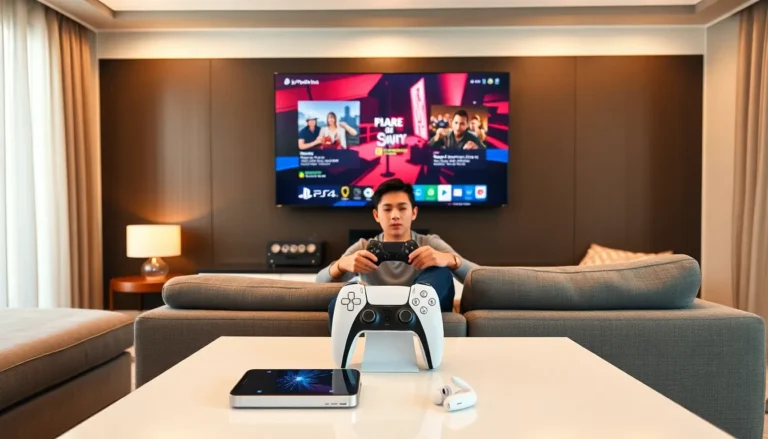
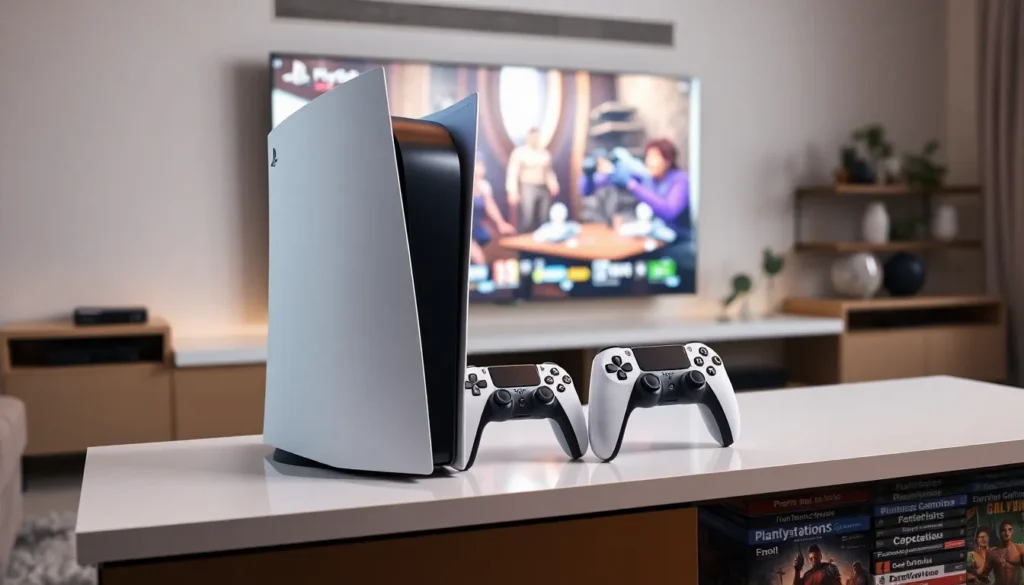
The PS5 arrived in November 2020. It features an ultra-high-speed SSD, ray tracing graphics, and the DualSense controller with haptic feedback. PlayStation continues to attract players with exclusive titles like God of War Ragnarök, Demon’s Souls, and Horizon Forbidden West.
Sony also produced portable consoles: the PlayStation Portable (PSP) in 2004 and PlayStation Vita in 2011. While successful, Sony has since focused on home console development.
PlayStation Services and Features
PlayStation offers several services that extend beyond hardware.
PlayStation Network (PSN)
PSN is Sony’s online platform for multiplayer gaming, digital purchases, and cloud saves. Users create free accounts to access the PlayStation Store. PSN hosts millions of active users worldwide.
PlayStation Plus
PlayStation Plus is a subscription service that provides online multiplayer access, free monthly games, and exclusive discounts. The service launched in 2010. In 2022, Sony restructured PlayStation Plus into three tiers: Essential, Extra, and Premium. Each tier offers different benefits, including access to game catalogs and classic titles.
PlayStation Now (Now Part of Plus Premium)
PlayStation Now was a cloud gaming service that allowed users to stream older games. Sony merged it into PlayStation Plus Premium in 2022.
PlayStation Store
The digital storefront sells games, DLC, movies, and apps. Users can purchase content directly on their consoles or through web browsers.
PlayStation VR
PlayStation entered virtual reality with PS VR in 2016. The headset works with PS4 and PS5 consoles. Sony released PS VR2 in 2023, featuring improved resolution and eye-tracking technology.
These PlayStation services create an ecosystem that keeps players engaged beyond single-game experiences.
Why PlayStation Remains Popular
PlayStation maintains its market position for several reasons.
Exclusive Games: Sony invests heavily in first-party studios. Companies like Naughty Dog, Insomniac Games, and Santa Monica Studio produce critically acclaimed exclusives. These games drive console sales because players can’t find them elsewhere.
Brand Recognition: PlayStation has built three decades of consumer trust. The brand represents quality gaming experiences for many players.
Global Reach: PlayStation sells well in North America, Europe, Japan, and other regions. Sony tailors its marketing and game selection to different markets.
Controller Innovation: The DualSense controller on PS5 introduced haptic feedback and adaptive triggers. These features provide immersive gameplay that competitors haven’t matched.
Community Features: PlayStation offers robust social tools. Players share screenshots, stream gameplay, and join parties with friends easily.
PlayStation competes directly with Xbox and Nintendo. Each platform offers distinct advantages. PlayStation focuses on high-quality exclusive games and cutting-edge hardware. This strategy has kept PlayStation at the forefront of gaming for decades.