
Best retro gaming continues to attract millions of players in 2025. Classic consoles, beloved franchises, and pixel-art aesthetics have sparked a revival that shows no signs of slowing down. Whether someone grew up with an NES controller in hand or discovered these classics through YouTube, the appeal remains universal.
This guide covers everything players need to know about retro gaming today. From defining what counts as “retro” to building a complete setup, readers will find practical advice and curated recommendations. The goal is simple: help gamers experience the best retro gaming has to offer without wasting time or money.
Table of Contents
ToggleKey Takeaways
- Best retro gaming includes consoles and games from the 8-bit, 16-bit, and early 3D eras released before the mid-2000s.
- Essential retro consoles include the NES, SNES, Sega Genesis, PlayStation 1, and Game Boy—each offering unique gaming experiences.
- Modern options like Nintendo Switch Online, mini consoles, emulators, and FPGA devices make accessing retro games easier than ever.
- Must-play classics like Super Mario Bros. 3, Street Fighter II, and Castlevania: Symphony of the Night still hold up against modern releases.
- Start your best retro gaming setup by choosing one platform, investing in quality controllers, and playing the greatest hits before expanding.
- Joining retro gaming communities on Reddit, Discord, and YouTube helps newcomers find deals and avoid costly mistakes.
What Defines Retro Gaming
Retro gaming refers to playing video games from previous hardware generations. Most enthusiasts draw the line at consoles and games released before the mid-2000s. This includes systems from the 8-bit, 16-bit, and early 3D eras.
The term carries some flexibility. A game from 1985 and one from 2002 both qualify as retro to most collectors. Age matters, but so does aesthetic. Pixel art, chiptune soundtracks, and simpler mechanics all signal “retro” to modern audiences.
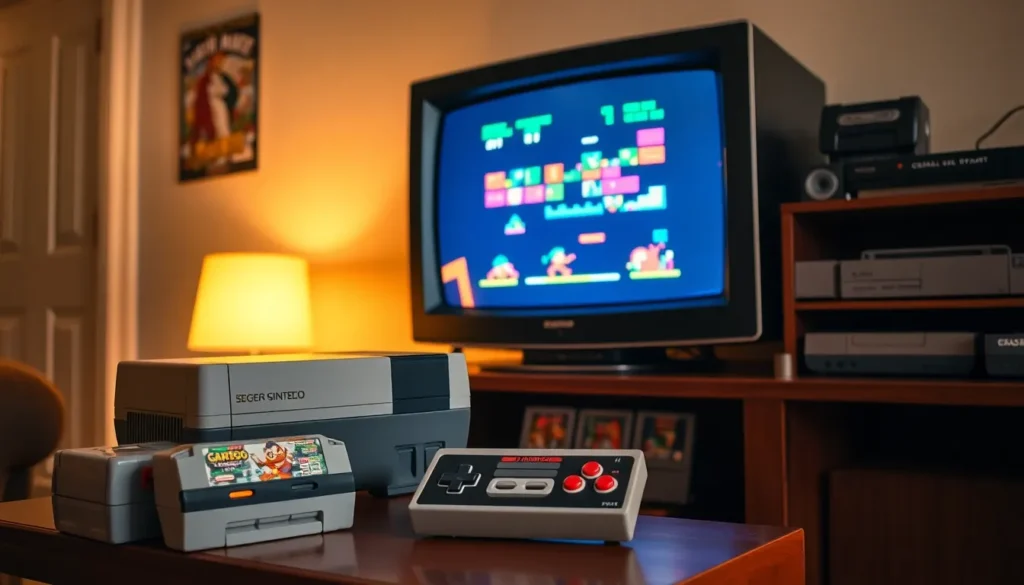
Some players focus on original hardware. They want authentic CRT displays and period-correct controllers. Others prefer convenience and use emulators or modern re-releases. Both approaches deliver legitimate retro gaming experiences.
What unites retro gaming fans is appreciation for design philosophy. Older games often demanded precision, memorization, and patience. They rewarded skill over time investment. This core appeal explains why best retro gaming discussions still generate passionate debate decades later.
Top Retro Gaming Consoles Worth Revisiting
Several consoles stand out as essential for any retro gaming collection.
Nintendo Entertainment System (NES)
The NES defined home gaming for a generation. Its library includes Super Mario Bros., The Legend of Zelda, and Mega Man. Original units remain affordable, and the game catalog offers hundreds of quality titles.
Super Nintendo (SNES)
Many consider the SNES the peak of 16-bit gaming. Games like Chrono Trigger, Super Metroid, and A Link to the Past still hold up remarkably well. The controller design influenced every gamepad that followed.
Sega Genesis
Sega’s flagship console delivered faster, edgier experiences. Sonic the Hedgehog, Streets of Rage, and Phantasy Star IV showcase its strengths. The Genesis offers a distinct flavor compared to Nintendo’s offerings.
PlayStation 1
Sony’s first console brought gaming into the 3D era. Final Fantasy VII, Metal Gear Solid, and Resident Evil defined entire genres. The PS1 represents a bridge between retro and modern gaming.
Game Boy
Portable retro gaming starts here. Tetris, Pokemon Red/Blue, and Link’s Awakening prove handheld games can match home console quality. Original Game Boys still function reliably after 35+ years.
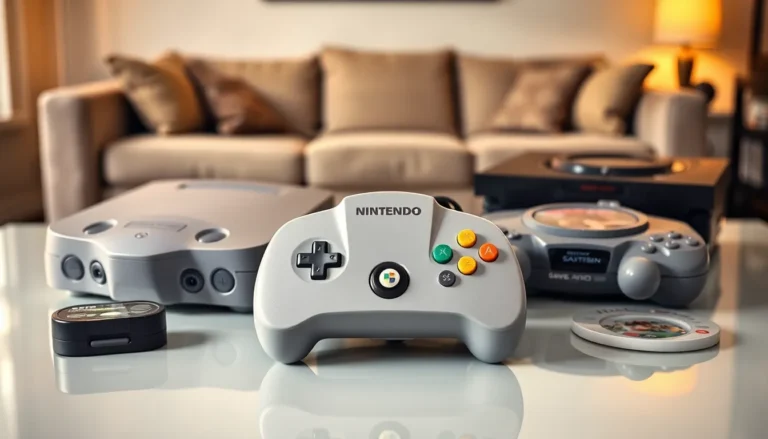
These consoles represent the best retro gaming hardware available. Each offers unique experiences worth exploring.
Must-Play Classic Games Across Generations
Certain games transcend their era. These titles deserve attention from anyone serious about retro gaming.
Super Mario Bros. 3 (NES) perfected 2D platforming. Level design, power-ups, and secrets remain unmatched. It taught developers how to pace difficulty and reward exploration.
Street Fighter II (SNES/Arcade) created the fighting game genre as we know it. Character variety, special moves, and competitive depth made it a phenomenon. Modern fighters still borrow its framework.
The Legend of Zelda: A Link to the Past (SNES) established the action-adventure template. Dungeons, overworld exploration, and item progression work together perfectly. Many consider it the series’ finest entry.
Sonic the Hedgehog 2 (Genesis) delivered speed and style. The two-player mode and memorable zones made it Sega’s best-seller. It remains the definitive Sonic experience for many fans.
Castlevania: Symphony of the Night (PS1) blended action with RPG elements. The castle’s interconnected design influenced countless games. “Metroidvania” exists because of this title.
Tetris (Game Boy) needs no introduction. Simple rules create infinite depth. It sold over 35 million copies on Game Boy alone.
These games represent best retro gaming at its peak. They reward replays and hold up against modern releases.
Modern Ways to Experience Retro Games
Playing retro games in 2025 offers more options than ever.
Official Re-releases
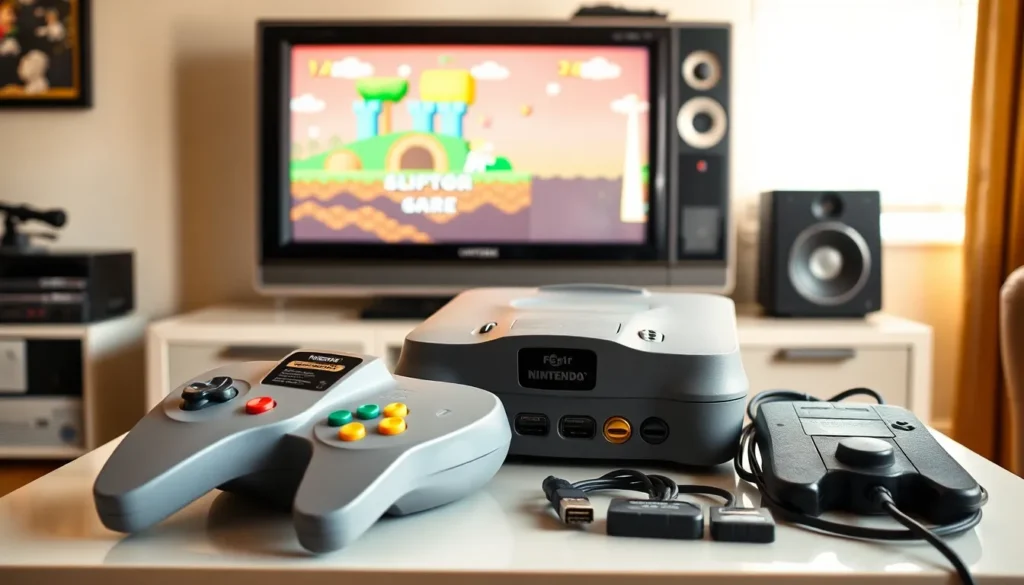
Nintendo Switch Online includes NES, SNES, N64, and Game Boy libraries. PlayStation Plus Premium offers PS1 and PS2 classics. These services provide legal, convenient access to hundreds of games.
Mini Consoles
The NES Classic, SNES Classic, and Sega Genesis Mini pack curated libraries into compact hardware. They connect to modern TVs and include quality controllers. Stock can be limited, but they appear regularly on secondary markets.
Emulation
Software emulators run retro games on PCs, phones, and dedicated devices. RetroArch consolidates multiple emulators into one interface. Emulation requires legally obtained ROM files, but the experience often exceeds original hardware.
FPGA Hardware
Devices like the Analogue Pocket and MiSTer use programmable chips to recreate original hardware behavior. They offer the accuracy of authentic consoles with modern conveniences like HDMI output and save states. Prices run higher, but enthusiasts swear by the results.
Original Hardware
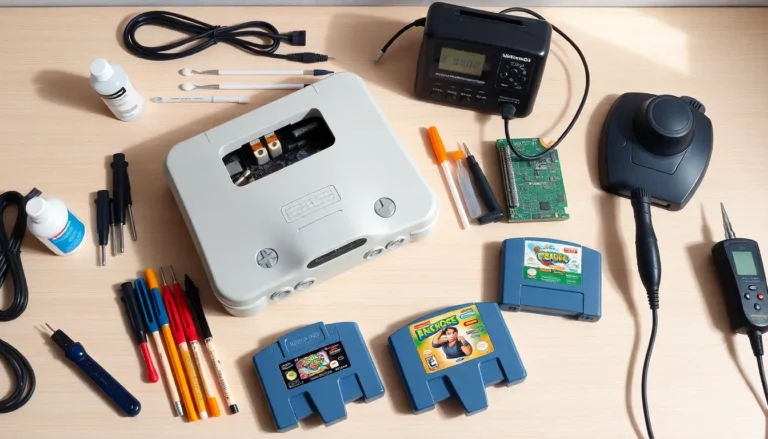
Purists still hunt for working consoles and CRT televisions. This approach delivers the most authentic experience. It also requires more space, maintenance, and investment.
Best retro gaming experiences depend on personal priorities. Convenience seekers benefit from subscription services. Collectors prefer original hardware. Both paths lead to great games.
Building Your Retro Gaming Setup
A solid retro gaming setup requires planning. Here’s how to start.
Choose a primary platform. Pick one console or emulation solution. Master it before expanding. Spreading too thin leads to cluttered collections and unplayed games.
Invest in quality controllers. 8BitDo makes excellent wireless pads compatible with multiple systems. Original controllers work too, but may need refurbishment. Good controls matter more than display quality for most players.
Consider display options. CRT monitors deliver authentic visuals but consume space. Modern TVs work with adapters or upscalers like the RetroTINK. Budget determines the best approach here.
Start with greatest hits. Buy or download the consensus classics first. Every console has 10-20 games everyone should play. Work through those before hunting obscure titles.
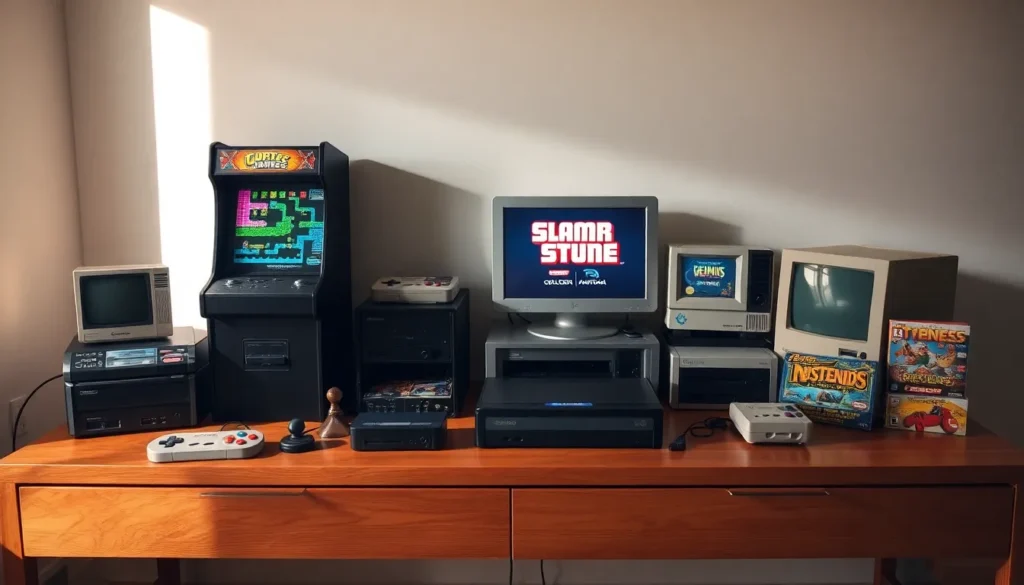
Set a budget. Retro game prices have increased significantly since 2020. Some cartridges cost hundreds of dollars. Reproductions, flash carts, and digital options keep costs manageable.
Join communities. Reddit’s r/retrogaming, Discord servers, and YouTube channels offer advice, deals, and recommendations. Other collectors help newcomers avoid common mistakes.
Building a best retro gaming setup takes time. Start small, learn preferences, and expand gradually.