
Retro gaming has become a popular hobby for players who want to revisit classic titles from the 1980s and 1990s. Learning how to retro gaming opens the door to thousands of beloved games that shaped the industry. Whether someone grew up with an NES controller in hand or discovered pixel art through YouTube, the appeal of vintage games remains strong. This guide covers everything a beginner needs to know, from picking the right platform to building a dedicated gaming space.
Table of Contents
ToggleKey Takeaways
- Learning how to retro gaming starts with choosing your platform—original hardware offers authenticity, while emulation provides convenience and cost savings.
- Finding retro games requires patience; thrift stores offer budget finds, while online marketplaces provide selection but require caution about counterfeits.
- Essential accessories like quality controllers, proper video cables, and upscalers significantly improve the retro gaming experience on modern TVs.
- A CRT television remains the gold standard for authentic display, and many are available for free from local listings.
- Creating a dedicated retro gaming space with thoughtful organization, comfortable seating, and proper lighting transforms casual play into an immersive hobby.
- Combining original hardware for collecting with emulation to fill library gaps offers the best of both worlds for serious retro gaming enthusiasts.
Choosing Your Retro Gaming Platform
The first step in retro gaming is selecting a platform. Players have several options, each with distinct advantages and drawbacks. The choice often comes down to budget, convenience, and personal preference.
Original Hardware vs. Emulation
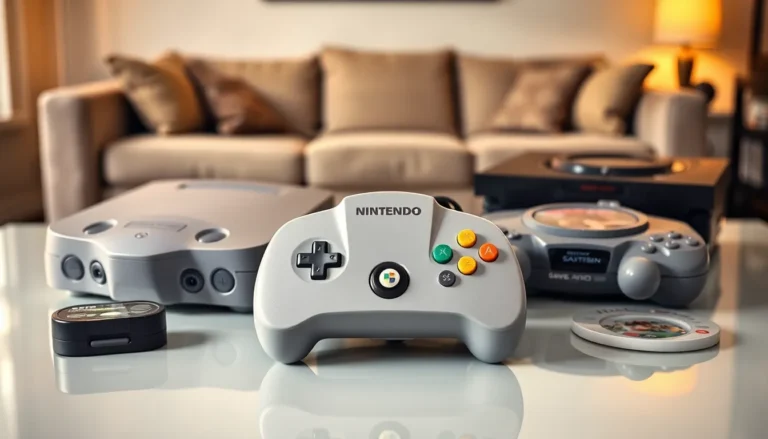
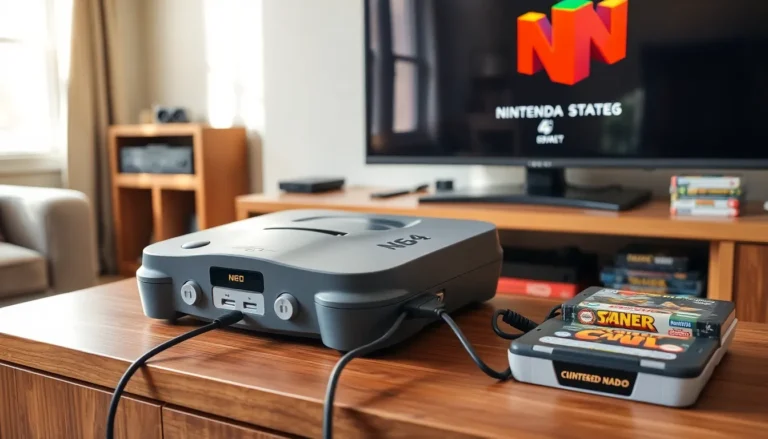
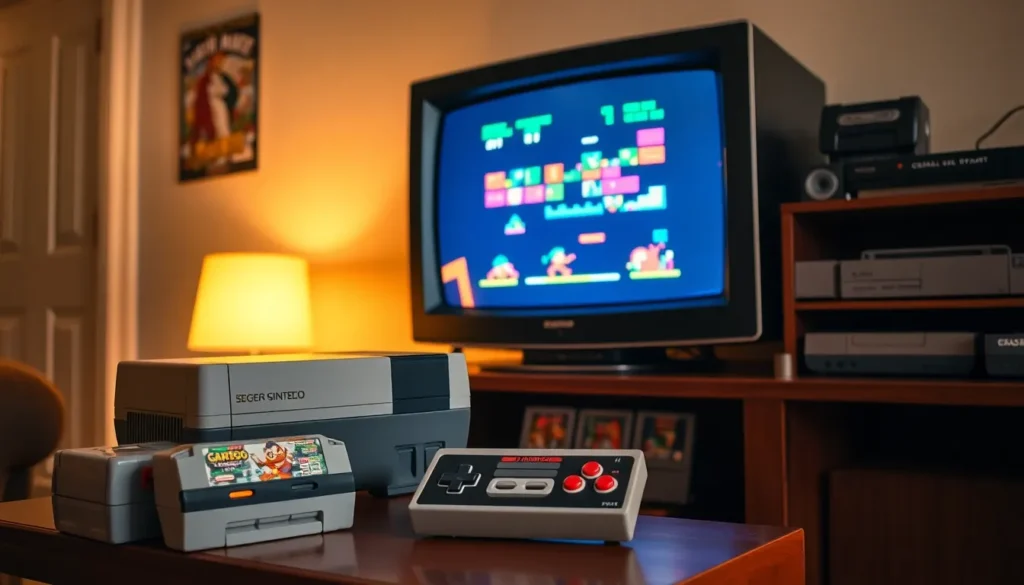
Original hardware means using the actual consoles from decades past. A Sega Genesis, Super Nintendo, or PlayStation 1 provides an authentic experience. The cartridges, the controllers, even the slight input lag on CRT televisions, all contribute to that nostalgic feel. Collectors value original hardware for its authenticity. But, older consoles can fail over time, and replacement parts grow scarcer each year.
Emulation offers a different approach. Emulators are software programs that mimic old console hardware on modern devices. A laptop, smartphone, or Raspberry Pi can run games from multiple systems. Emulation provides convenience and cost savings. Players can access entire game libraries without tracking down physical copies. The legal status of emulation depends on jurisdiction, but owning the original game typically makes personal use acceptable.
Some companies have released official mini consoles like the NES Classic Edition and Sega Genesis Mini. These devices come preloaded with games and offer a middle ground between original hardware and emulation. They’re plug-and-play, require no setup, and look great on modern TVs.
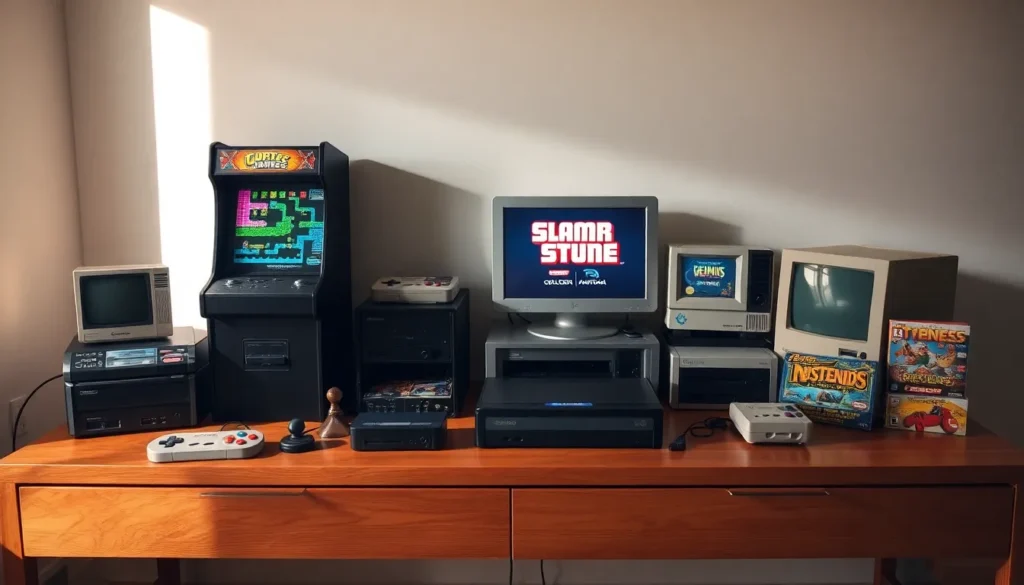
For those serious about retro gaming, a combination works well. Original hardware satisfies the collector’s itch, while emulation fills gaps in a library. There’s no single correct answer, the best platform depends on what each player values most.
Where to Find Retro Games and Consoles
Finding retro games and consoles requires patience and a bit of strategy. Prices have risen significantly over the past decade as retro gaming gained mainstream popularity.
Local thrift stores and garage sales remain treasure troves for budget-conscious collectors. Many people still donate old electronics without knowing their value. A $5 find at Goodwill might be worth $50 online. The hunt itself becomes part of the hobby.
Online marketplaces like eBay, Facebook Marketplace, and Mercari offer massive selection. Buyers can find nearly any game or console with enough searching. But, prices tend to run higher, and counterfeit cartridges have flooded the market. Learning to spot reproductions is essential, check seller ratings, examine photos closely, and research authentic cartridge characteristics.
Dedicated retro gaming stores exist in many cities. These shops test their inventory and often provide short warranties. Prices sit between thrift store finds and eBay premiums, but the reliability makes them worthwhile for expensive purchases.
Retro gaming conventions and expos gather hundreds of vendors in one location. Events like Too Many Games, Portland Retro Gaming Expo, and Classic Game Fest offer opportunities to negotiate prices and inspect items in person.
Digital storefronts shouldn’t be overlooked either. Nintendo’s Virtual Console (on older hardware) and modern subscription services legally provide classic games. Steam and GOG sell retro PC titles with compatibility fixes already applied.
Essential Accessories for Retro Gaming
The right accessories make retro gaming more enjoyable and help preserve aging equipment.
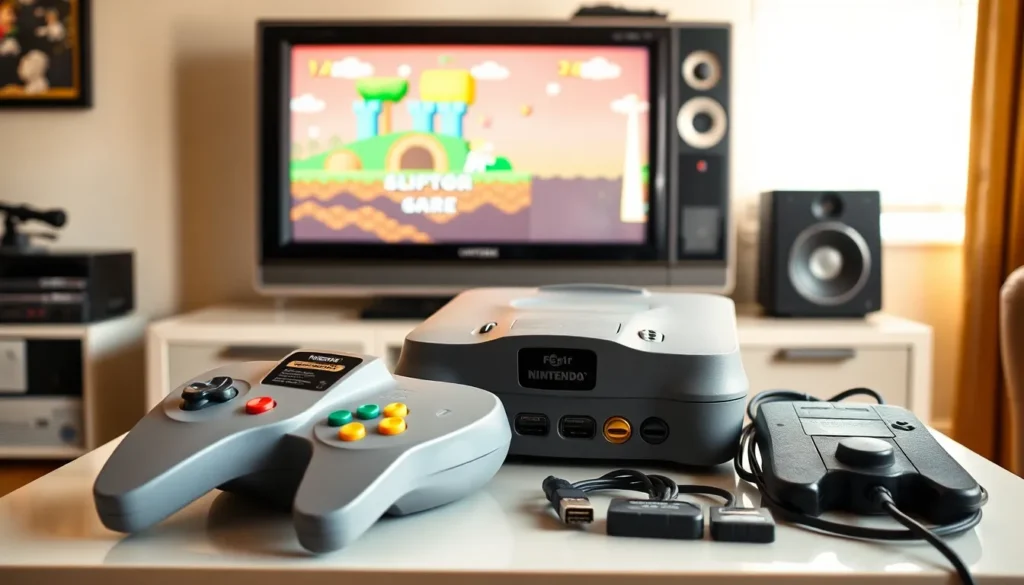
Controllers top the list. Original controllers wear out, and third-party replacements vary wildly in quality. Companies like 8BitDo produce wireless controllers that work with both original consoles and emulators. Their build quality rivals, sometimes exceeds, the originals.
Video cables and adapters matter more than most beginners realize. Old consoles output signals that modern TVs struggle to display properly. Composite cables (the red, white, and yellow plugs) produce a fuzzy image on flat screens. Component cables, S-Video, or RGB SCART cables provide sharper pictures. Devices like the RetroTINK and OSSC upscale retro signals to HDMI while maintaining image quality.
A CRT television remains the gold standard for authentic display. These bulky screens handle the low-resolution signals perfectly. Many retro gaming enthusiasts pick up free CRTs from local listings, people give them away constantly.
Storage solutions protect game collections. Cartridge cases, dust covers, and climate-controlled spaces prevent damage. Humidity and temperature swings degrade electronics and labels over time.
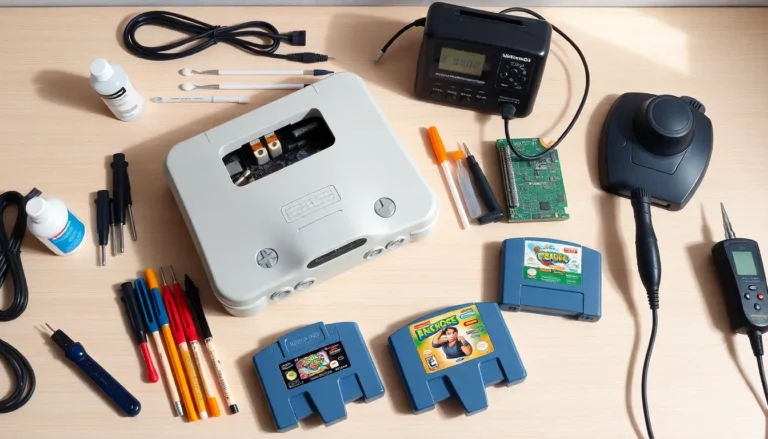
Cleaning supplies extend hardware life. Isopropyl alcohol (90% or higher), cotton swabs, and a bit of patience fix most cartridge connection issues. Opening consoles for deeper cleaning requires security bits, which are inexpensive and widely available.
Setting Up Your Retro Gaming Space
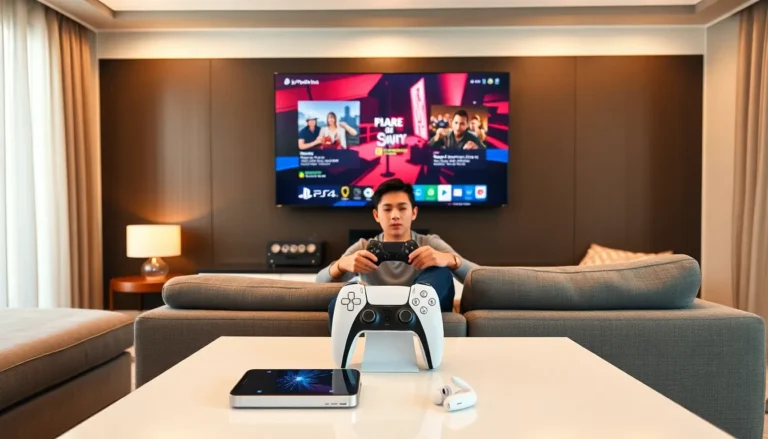
A dedicated retro gaming space transforms the hobby from casual play into an immersive experience. Setup doesn’t require a massive budget, just thoughtful planning.
Display choice shapes the entire space. A CRT provides authenticity but takes up significant room. A modern TV with an upscaler saves space while still looking sharp. Some enthusiasts run both, switching based on mood or game.
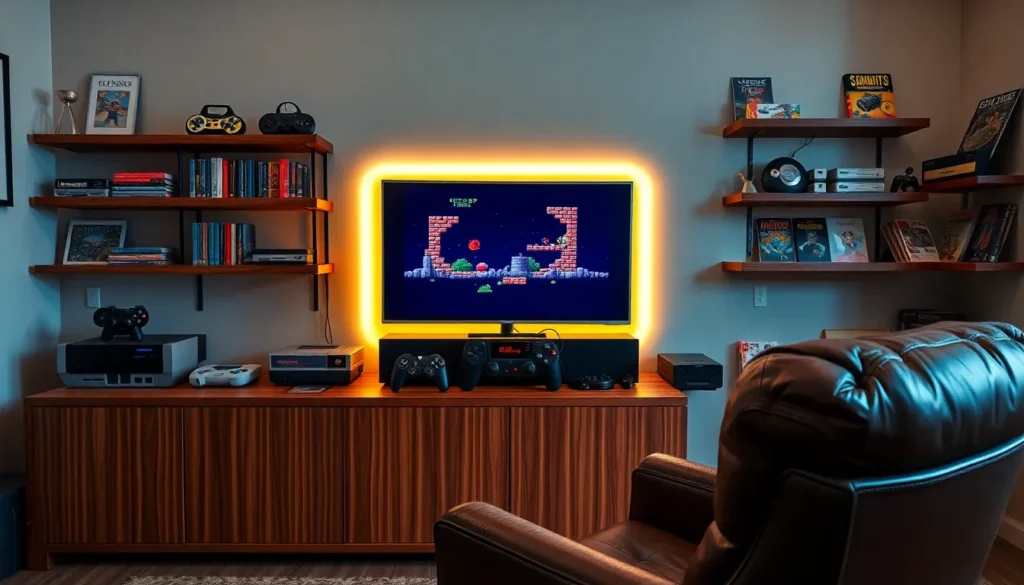
Console organization prevents cable chaos. Shelving units display collections while keeping systems accessible. IKEA’s Kallax series has become popular among retro gamers for its modular design. Power strips with individual switches let players turn on specific consoles without unplugging anything.
Seating matters for longer sessions. Old games often punish players, demanding repeated attempts at difficult sections. A comfortable couch or gaming chair makes marathon sessions bearable. Bean bags capture that childhood basement vibe.
Lighting affects both atmosphere and gameplay. Harsh overhead lights create glare on CRT screens. Bias lighting behind displays reduces eye strain during extended play. LED strips in warm tones add ambiance without distraction.
Game storage and display complete the setup. Floating shelves showcase favorite titles. Drawers or bins organize the rest alphabetically or by system. Displaying box art turns a collection into decor.
The best retro gaming spaces reflect their owners’ personalities. Posters, figurines, and memorabilia personalize the room. There’s no wrong way to build a space, the goal is creating somewhere that makes picking up a controller irresistible.