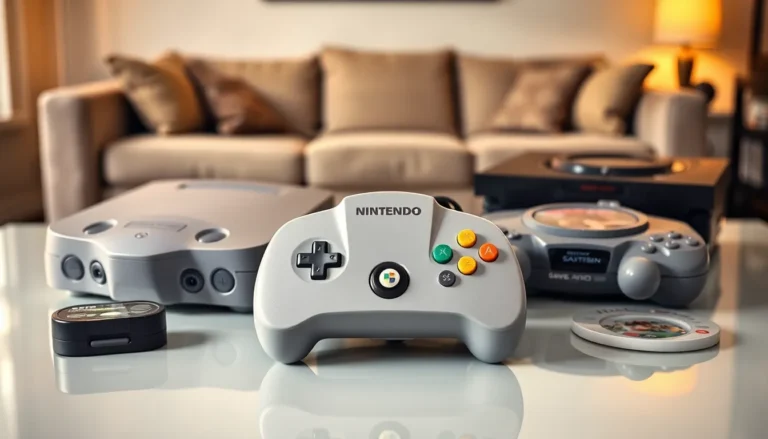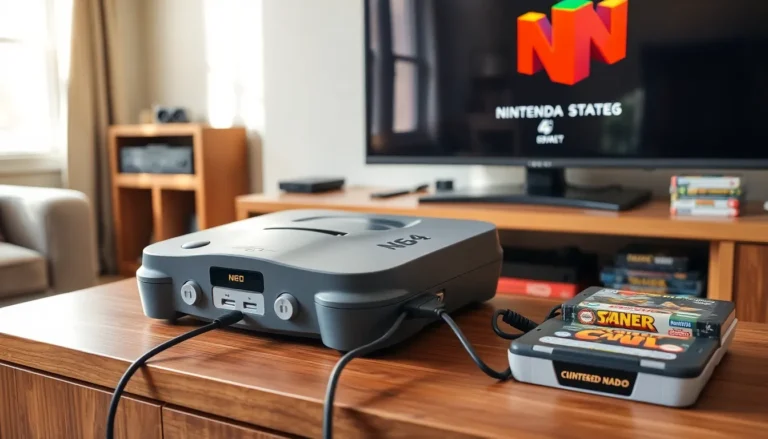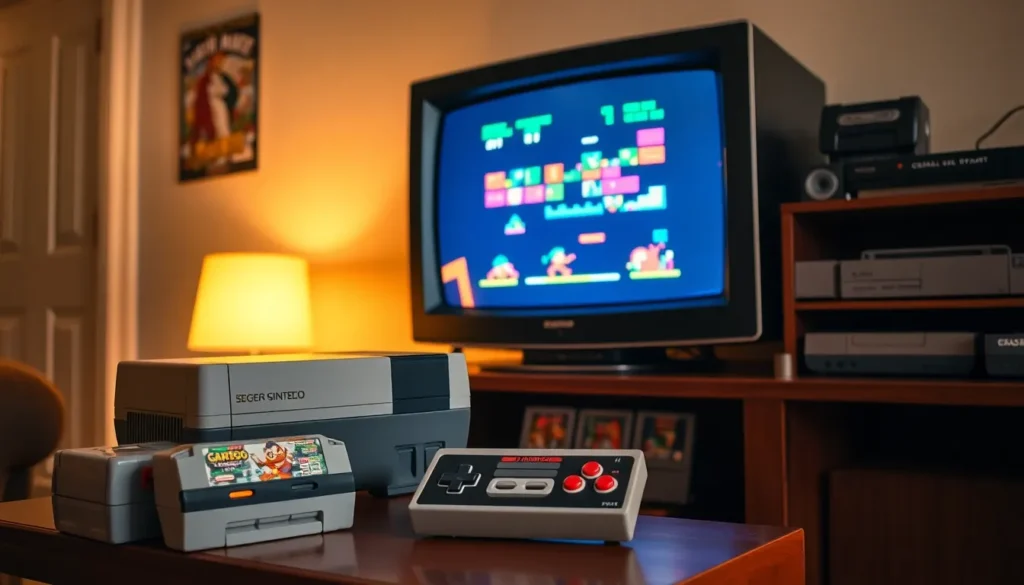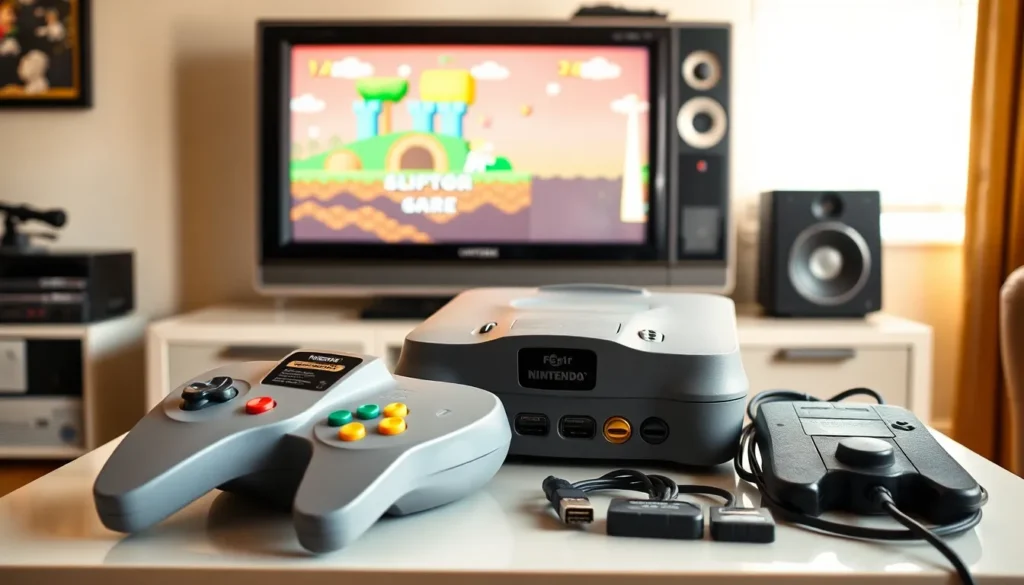
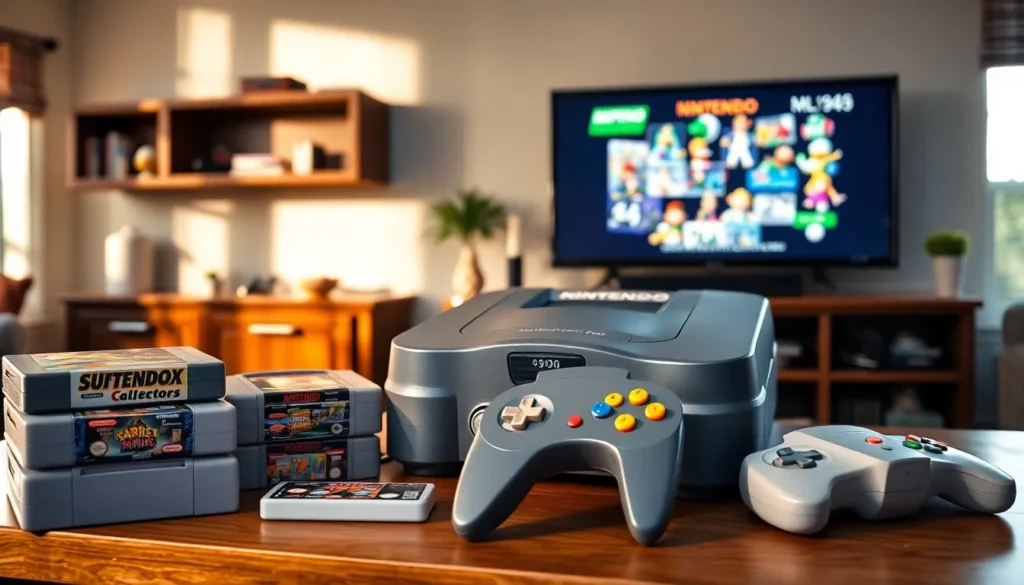

This Nintendo 64 guide covers everything collectors and retro gaming fans need to know about one of the most beloved consoles ever made. The N64 launched in 1996 and changed how people played video games at home. It introduced millions of players to 3D gaming, four-player split-screen sessions, and iconic franchises that remain popular today. Whether someone wants to buy their first N64 or rediscover a childhood favorite, this guide breaks down the console’s history, essential accessories, must-play games, and practical tips for buying and maintaining the hardware.
Table of Contents
ToggleKey Takeaways
- This Nintendo 64 guide covers everything from console history to essential accessories, must-play games, and buying tips for collectors.
- The N64 sold nearly 33 million units worldwide and pioneered 3D gaming, analog stick controls, and four-player multiplayer experiences.
- Essential accessories include the Expansion Pak (required for games like Majora’s Mask), Controller Pak for saves, and the Rumble Pak for tactile feedback.
- Must-play titles include Super Mario 64, Ocarina of Time, GoldenEye 007, Mario Kart 64, and Super Smash Bros.
- When buying a Nintendo 64 in 2025, inspect cartridge slots for corrosion, test analog sticks for wear, and clean game contacts with isopropyl alcohol.
- Use an upscaler or RetroTINK device to improve the N64’s video quality on modern HD televisions.
A Brief History of the Nintendo 64
Nintendo released the Nintendo 64 in Japan on June 23, 1996. North America received the console on September 29, 1996, and Europe followed in March 1997. The name “64” refers to its 64-bit central processing unit, which was a significant step up from the 16-bit Super Nintendo.
The N64 faced stiff competition from Sony’s PlayStation. While the PlayStation used CD-ROMs, Nintendo stuck with cartridges. This decision had trade-offs. Cartridges loaded games faster and were harder to pirate. But, they cost more to produce and held less data than CDs. Game developers sometimes struggled to fit large projects onto N64 cartridges.
Even though these challenges, the Nintendo 64 sold approximately 32.93 million units worldwide during its lifespan. The console dominated multiplayer gaming in living rooms across the globe. Games like GoldenEye 007 and Mario Kart 64 became staples at parties and sleepovers.
Nintendo discontinued the N64 in 2002, but its legacy lives on. The console introduced the analog stick to mainstream gaming and pioneered 3D platforming. Many consider the Nintendo 64 a turning point in video game history.
Essential Hardware and Accessories
A complete Nintendo 64 setup requires several key components. Understanding these items helps buyers assemble a functional system.
The Console and Power Supply
The base Nintendo 64 console came in charcoal gray, though Nintendo released many color variants over the years. Funtastic translucent models in colors like grape purple, ice blue, and fire orange remain collector favorites. Each console needs a power supply (AC adapter) and an AV cable to connect to a television.
Controllers
The N64 controller features a unique three-pronged design. It includes an analog stick, D-pad, trigger buttons, and the iconic C-buttons. Most Nintendo 64 games require at least one controller, but four-player games need, you guessed it, four controllers.
Controller quality varies widely in the used market. The analog stick wears down with heavy use, becoming loose and unresponsive. Buyers should test controllers before purchasing or consider third-party replacements with improved sticks.
Expansion Pak and Memory Cards
The Expansion Pak plugs into the console’s memory expansion port and doubles the N64’s RAM from 4MB to 8MB. Some games require it, including Donkey Kong 64 and The Legend of Zelda: Majora’s Mask. Others use it for enhanced graphics or additional features.
Controller Paks (memory cards) slot into the controller and save game data. Not all games need them, many cartridges have built-in save batteries, but titles like WCW/nWo Revenge require a Controller Pak for saving.
Rumble Pak
The Rumble Pak was Nintendo’s first force feedback device for home consoles. It vibrates during gameplay to provide tactile feedback during explosions, collisions, and other in-game events. Star Fox 64 shipped with the Rumble Pak and showcased its potential.
Must-Play Nintendo 64 Games
The N64 library contains around 388 licensed games. Some titles stand out as essential experiences for any owner. This Nintendo 64 guide highlights the games that defined the platform.
Super Mario 64 launched alongside the console and set the standard for 3D platformers. Players control Mario through Princess Peach’s castle, collecting Power Stars across diverse worlds. Its influence on game design cannot be overstated.
The Legend of Zelda: Ocarina of Time regularly appears on “greatest games of all time” lists. This action-adventure title introduced Z-targeting combat and a day-night cycle that affected gameplay. Its sequel, Majora’s Mask, offers a darker tone and a unique three-day time loop mechanic.
GoldenEye 007 brought first-person shooters to console audiences in a big way. The single-player campaign adapts the James Bond film, while the multiplayer mode consumed countless hours in dorm rooms and basements everywhere.
Mario Kart 64 perfected the kart racing formula with memorable tracks, Battle Mode arenas, and relentless item-based chaos. It remains a multiplayer favorite.
Super Smash Bros. started as a simple fighting game featuring Nintendo characters. It spawned one of gaming’s biggest franchises and still draws competitive players today.
Other notable titles include Banjo-Kazooie, Perfect Dark, Star Fox 64, Paper Mario, and Diddy Kong Racing. Collectors following this Nintendo 64 guide should prioritize these games when building a library.
Tips for Buying and Maintaining Your N64
Purchasing a Nintendo 64 in 2025 requires some care. The consoles are nearly 30 years old, and condition matters.
Where to Buy
Local game stores, thrift shops, garage sales, and online marketplaces all carry N64 hardware. eBay, Facebook Marketplace, and dedicated retro gaming sites offer wide selections. Local purchases allow buyers to inspect and test equipment before committing. Online purchases carry more risk but sometimes offer better prices.
What to Check
When buying a Nintendo 64, inspect the cartridge slot for bent pins or corrosion. Test the console with multiple games if possible. Check that the power light turns on and the system outputs video properly.
For controllers, move the analog stick in all directions. A worn stick will feel loose or fail to register full movement. Press every button to confirm they respond.
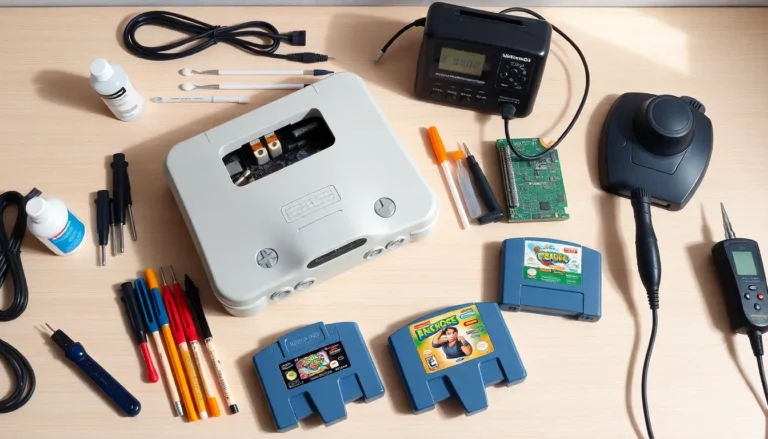
Cartridges should have clean contacts. Dirty or corroded pins cause read errors. A simple cleaning with isopropyl alcohol and a cotton swab usually fixes minor issues.
Maintenance Tips
Store Nintendo 64 cartridges upright to protect the labels. Keep the console in a cool, dry place away from direct sunlight. Dust the cartridge slot periodically with compressed air.
Some game cartridges use internal batteries for saving. These batteries last 15-25 years and eventually die. Replacing them requires basic soldering skills or a trip to a local repair shop.
Consider using an upscaler or RetroTINK device to improve video quality on modern televisions. The N64’s native output looks fuzzy on large HD screens, and these devices sharpen the image significantly.