

Nintendo 64 techniques remain essential knowledge for anyone serious about retro gaming. The N64 defined a generation with titles like Super Mario 64, GoldenEye 007, and The Legend of Zelda: Ocarina of Time. These games introduced 3D gameplay mechanics that players still study and perfect today.
Whether someone wants to beat old high scores, compete in speedruns, or simply enjoy classic games at a higher level, learning proper N64 techniques makes a real difference. This guide covers controller fundamentals, game-specific strategies, advanced movement tricks, and practical tips for skill improvement.
Table of Contents
ToggleKey Takeaways
- Mastering Nintendo 64 techniques starts with understanding the unique three-prong controller layout and maintaining your analog stick.
- Game-specific skills like long jumps in Super Mario 64, Z-targeting in Ocarina of Time, and L-canceling in Super Smash Bros. separate casual players from skilled ones.
- Speedrunners exploit advanced N64 techniques such as backwards long jumping, wall clipping, and wrong warps to achieve record-breaking times.
- Watching skilled players on YouTube and Twitch provides a roadmap for learning and perfecting Nintendo 64 techniques.
- Break complex skills into isolated practice sessions—focus on one technique at a time to build muscle memory faster.
- Use proper equipment like replacement analog sticks and CRT televisions to reduce input lag and improve precision.
Understanding the N64 Controller Layout
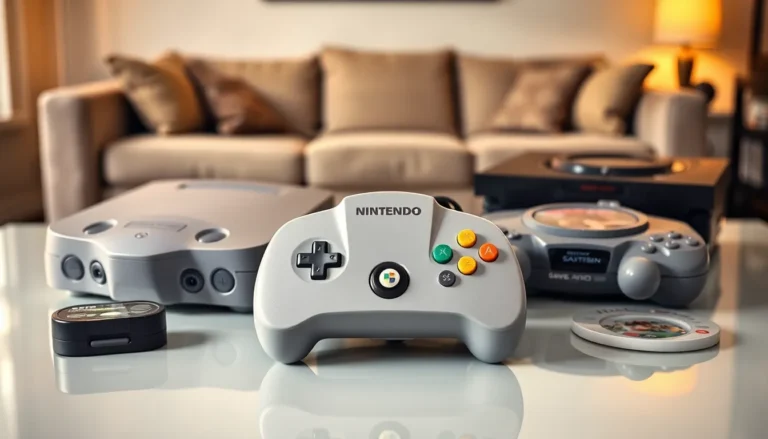
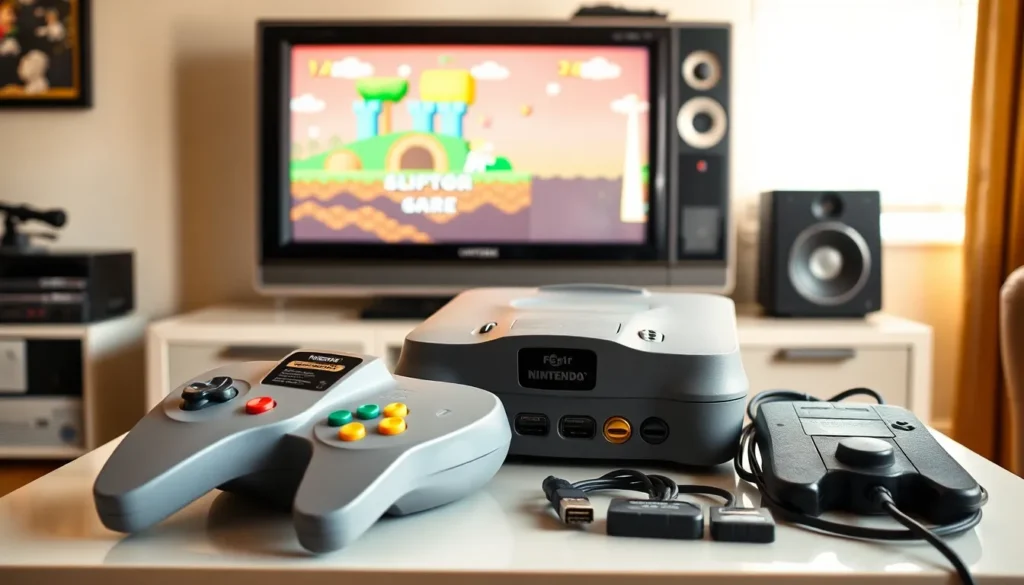
The N64 controller looks strange by modern standards. It features three prongs, a central analog stick, and a unique button layout that confused many players in 1996. Understanding this design is the first step toward mastering Nintendo 64 techniques.
The analog stick sits on the center prong. Players grip this prong for most games, using their left thumb on the stick and right thumb on the A, B, and C buttons. The C buttons function as a second directional input in many titles. They control camera angles in Super Mario 64 and serve as weapon switching in GoldenEye 007.
The Z trigger sits underneath the center prong. This button became famous for targeting enemies in Zelda games and crouching in shooters. Many N64 techniques rely on quick Z button presses combined with other inputs.
The L and R shoulder buttons occupy the outer prongs. Most players rarely touch the L button, but R gets heavy use for shielding in Super Smash Bros. and aiming in first-person games.
A worn analog stick creates problems. The original N64 stick degrades over time, becoming loose and imprecise. Serious players often replace their sticks with modern reproduction parts or use third-party controllers designed for competitive play.
Essential Gameplay Techniques for Popular N64 Games
Each major N64 title has specific techniques that separate casual players from skilled ones. Learning these game-specific skills transforms the playing experience.
Super Mario 64
Super Mario 64 introduced the long jump, which remains one of the most important N64 techniques. Players press Z while running, then immediately hit A. This move covers massive horizontal distance. The triple jump requires three consecutive jumps with proper timing. Mario gains height with each jump when players land at the right moment.
Wall kicks let Mario climb vertical surfaces. He jumps toward a wall, touches it, and players press A to kick off in the opposite direction. Chaining wall kicks together allows access to areas the developers never intended.
The Legend of Zelda: Ocarina of Time
Z-targeting changed action games forever. Holding Z locks onto enemies and allows sidesteps, backflips, and precise sword strikes. The backflip covers ground quickly while keeping Link facing threats. Shield stabbing lets players attack while blocking.
Bomb hovering is an advanced technique. Link holds a bomb, gets hit by its explosion at the right frame, and gains extra height. This trick requires precise timing but enables sequence breaks.
GoldenEye 007
Aiming in GoldenEye uses the R button for precision mode. Skilled players learn to strafe while aiming, keeping their crosshair steady while avoiding enemy fire. The 1.2 Solitaire control scheme maps movement to the C buttons, which some players prefer for faster strafing.
Super Smash Bros.
Short hopping means pressing the jump button briefly to perform a lower jump. This technique allows faster aerial attacks. L-canceling reduces landing lag after aerial moves, players press L, R, or Z just before landing. Combining short hops with L-cancels creates pressure that opponents struggle to counter.
Speed Running and Advanced Movement Tricks
Speedrunners have pushed N64 techniques to extreme levels. They exploit glitches, perfect movement optimization, and discover tricks that save precious seconds.
Backwards long jumping (BLJ) in Super Mario 64 remains the most famous N64 speedrun technique. Mario faces backward, performs a long jump, and players spam the A button while holding back on the stick. Mario builds negative speed that eventually overflows, launching him through doors and up endless stairs. This single trick defines Super Mario 64 speedrunning.
Clipping through walls appears in many N64 games. The console’s collision detection has consistent weaknesses. Players position their character at specific angles near corners, then use movement techniques to push through solid geometry. Ocarina of Time speedruns use dozens of different clips.
Wrong warps send players to unintended destinations. Games load areas based on triggers and memory states. Speedrunners manipulate these systems to skip entire sections. Some Zelda wrong warps jump from early dungeons straight to the final boss.
Frame-perfect inputs separate good speedrunners from record holders. The N64 runs most games at 30 frames per second. Certain tricks only work when players press buttons on exact frames. Practice and muscle memory eventually make these inputs consistent.
Tool-assisted speedruns (TAS) demonstrate theoretical perfect play. These runs use emulators to input commands frame by frame. TAS videos showcase what Nintendo 64 techniques look like when executed flawlessly, inspiring human players to attempt the same tricks.
Tips for Improving Your N64 Gaming Skills
Getting better at N64 games requires practice, but smart practice beats grinding without direction.
Watch skilled players. YouTube and Twitch host countless videos of experts demonstrating Nintendo 64 techniques. Observing their movement patterns, decision-making, and trick execution provides a roadmap for improvement. Speedrun commentary videos explain why runners make specific choices.
Break skills into components. Instead of trying to master an entire game, focus on single techniques. Spend twenty minutes just practicing wall kicks. Dedicate a session to Z-targeting combat. Isolated practice builds muscle memory faster than playing through levels normally.
Use save states on emulators for practice. Legal emulation lets players save anywhere and retry difficult sections instantly. This removes the frustration of replaying easy content to reach challenging parts. Once a technique feels comfortable, test it on original hardware.
Join communities. Discord servers and forums exist for nearly every popular N64 game. Members share strategies, answer questions, and organize competitions. The speedrunning community welcomes newcomers and provides resources for learning.
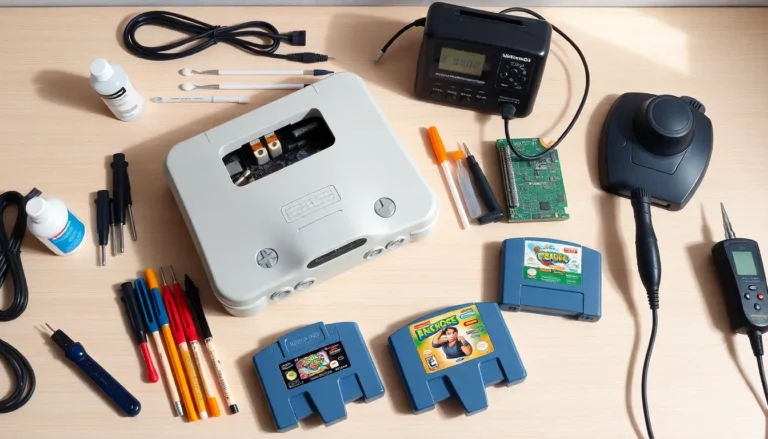
Maintain equipment properly. Clean controller contacts with isopropyl alcohol. Replace worn analog sticks before they affect gameplay. Consider a CRT television for original hardware, modern TVs add input lag that makes precise N64 techniques harder to execute.
Set specific goals. Vague intentions like “get better” lack direction. Concrete targets like “complete Bob-omb Battlefield in under five minutes” or “beat Ocarina of Time without dying” create focus and measurable progress.