
Retro gaming has become more than a hobby, it’s a cultural movement. Millions of players worldwide return to classic video games from the 1970s, 1980s, and 1990s. They seek experiences that modern titles often can’t replicate. The simple graphics, memorable soundtracks, and pure gameplay of older consoles hold a special appeal. Whether someone grew up with an Atari 2600 or discovered the Super Nintendo through YouTube videos, retro gaming connects generations of players. This guide explores what makes classic gaming so enduring, why these older titles still matter, and how anyone can start their own collection today.
Table of Contents
ToggleKey Takeaways
- Retro gaming spans video games and consoles from the 1970s through early 2000s, including iconic systems like the NES, Sega Genesis, and PlayStation 1.
- Classic games remain popular because their tight controls, balanced difficulty, and rewarding gameplay still hold up against modern titles.
- You can experience retro gaming through original hardware, emulators, mini consoles like the NES Classic Edition, or modern compilations on current platforms.
- Start your collection by focusing on one console or genre, and hunt for deals at garage sales, thrift stores, and flea markets before checking online marketplaces.
- Learn to verify authenticity by examining label quality, cartridge screws, and PCB boards to avoid counterfeit games flooding the market.
- Protect your retro gaming investment by storing games away from sunlight and humidity, and using plastic protectors for boxes.
What Defines Retro Gaming
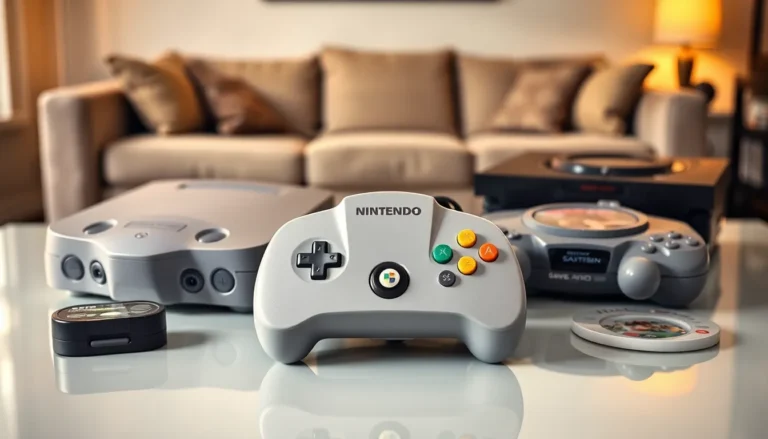
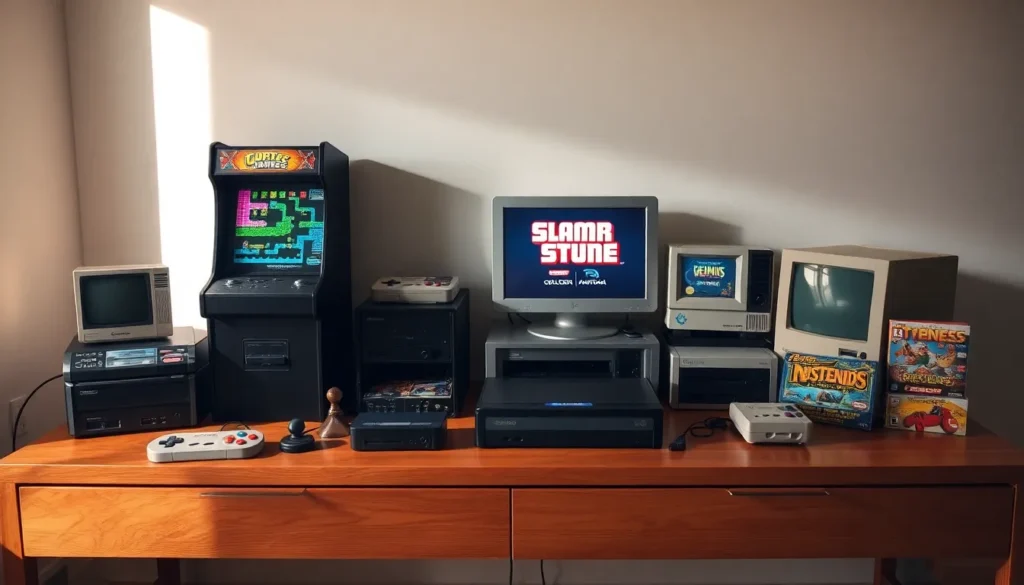
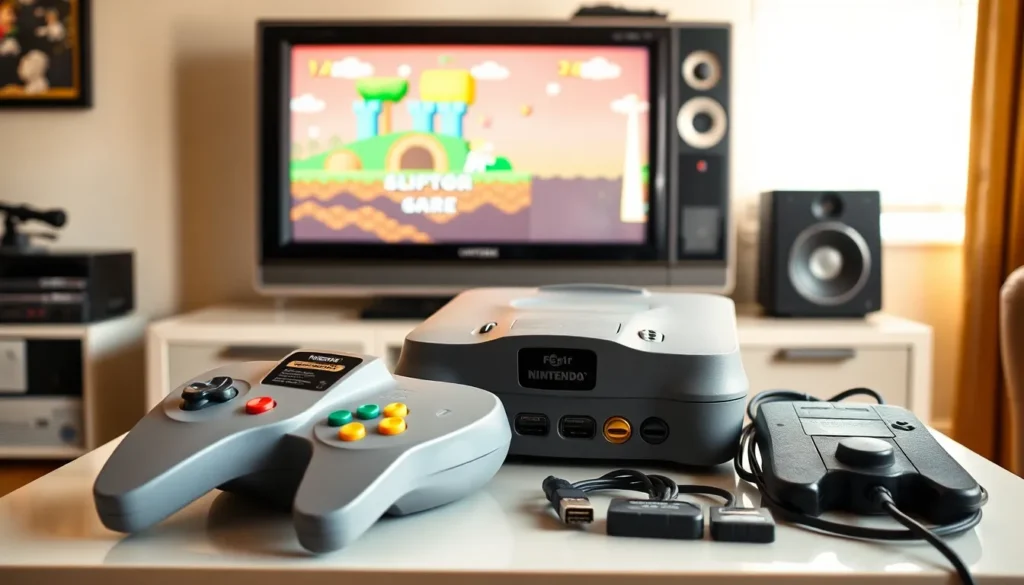
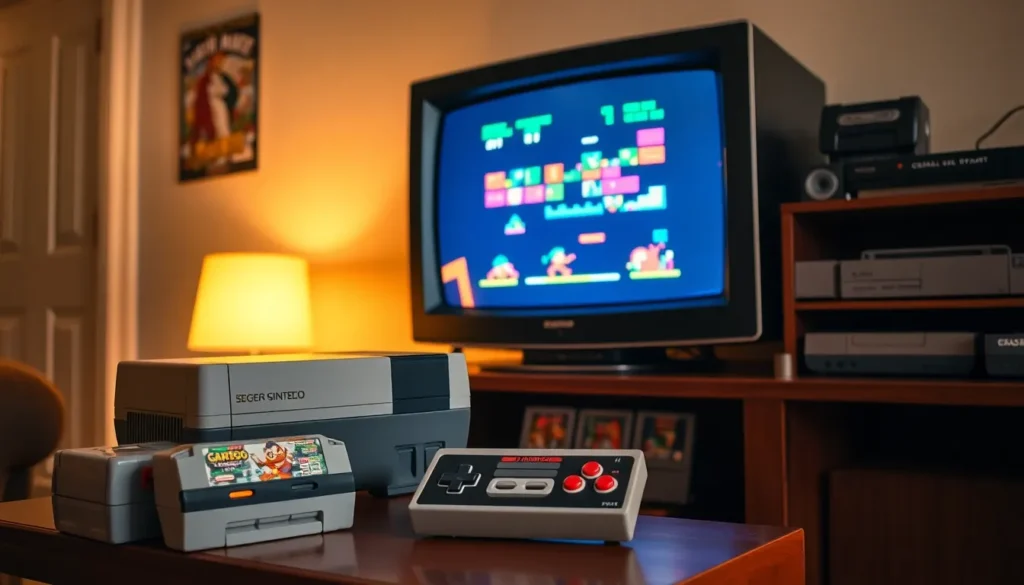
Retro gaming refers to playing video games from earlier console generations. Most enthusiasts consider games and hardware from the 1970s through the early 2000s as retro. This includes iconic systems like the Nintendo Entertainment System (NES), Sega Genesis, PlayStation 1, and arcade cabinets.
The exact cutoff remains debatable. Some argue that any console two generations old qualifies as retro. Others draw the line at specific years. A common benchmark places retro gaming before the sixth console generation, which means systems released before 2000.
Retro games share certain characteristics. They typically feature 2D graphics, pixel art, or early 3D polygons. The gameplay tends to be straightforward, players learn the rules quickly but spend hours mastering them. Titles like Super Mario Bros., Pac-Man, and The Legend of Zelda showcase this design philosophy.
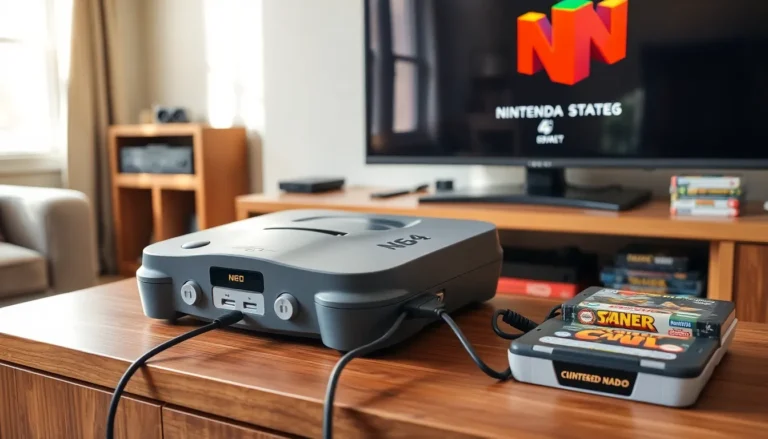
The hardware itself matters too. Original cartridges, CRT televisions, and wired controllers create an authentic retro gaming experience. Many collectors prize these physical components as much as the games themselves.
Why Retro Games Remain Popular Today
Nostalgia drives much of the retro gaming revival. Adults who played these games as children want to relive those memories. A session of Sonic the Hedgehog or Street Fighter II can transport someone back to afternoons spent at arcades or weekends with friends.
But nostalgia doesn’t explain the whole picture. Younger players who never owned a Sega Genesis also embrace retro gaming. They discover these classics through streaming, social media, and recommendations from older gamers.
Gameplay quality keeps retro games relevant. Developers in the 1980s and 1990s worked within strict hardware limits. They couldn’t rely on flashy graphics or lengthy cutscenes. Instead, they focused on tight controls, balanced difficulty, and rewarding progression. These fundamentals still hold up.
Retro gaming also offers simplicity. Modern titles often require hours of tutorials and updates before players can enjoy them. Classic games let people jump in immediately. Insert a cartridge, press start, and play.
The collectibility factor adds another layer. Limited print runs mean certain retro games have become valuable. Sealed copies of rare titles sell for thousands of dollars. This investment potential attracts collectors who see retro gaming as both a hobby and an asset.
Best Ways to Experience Classic Games
Players have several options for enjoying retro gaming today. Each method offers distinct advantages.
Original Hardware
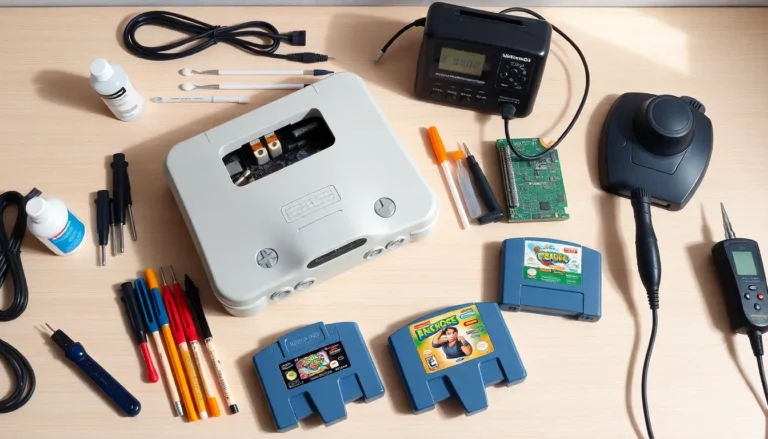
Purists prefer playing on original consoles. The tactile feel of old controllers and the look of games on CRT screens can’t be perfectly replicated. But, original hardware requires maintenance. Cartridges need cleaning, and older consoles may need repairs.
Emulation
Emulators allow computers and phones to run retro games without original hardware. This approach offers convenience and often improves visual quality. Players can save states, apply filters, and access thousands of titles. Legal concerns exist around ROM files, though many retro gaming communities discuss proper practices.
Mini Consoles and Re-releases
Companies like Nintendo and Sega have released mini versions of classic systems. The NES Classic Edition and Sega Genesis Mini come preloaded with games and connect to modern TVs. These products provide a legal, affordable entry point into retro gaming.
Modern Compilations
Publishers regularly release collections of classic games on current platforms. The Mega Man Legacy Collection and Castlevania Anniversary Collection bring beloved franchises to PlayStation, Xbox, Switch, and PC. These compilations often include bonus features like artwork and music.
Each method serves different needs. Collectors may want original cartridges, while casual fans might prefer the ease of emulation or mini consoles.
Building Your Retro Gaming Collection
Starting a retro gaming collection requires strategy. Prices for vintage games have risen sharply in recent years. Smart collectors research before they buy.
Begin with a specific focus. Choosing one console or genre makes the hobby more manageable. Someone might collect every Final Fantasy game or specialize in Sega Saturn titles. A focused approach prevents overwhelming spending.
Local sources often yield the best deals. Garage sales, thrift stores, and flea markets sometimes have retro games priced below market value. Estate sales can uncover entire collections. Online marketplaces like eBay provide wider selection but typically charge higher prices.
Condition matters significantly in retro gaming. Cartridges with original boxes and manuals, called “complete in box” or CIB, command premium prices. Loose cartridges cost less but still play perfectly. Collectors decide how much condition factors into their purchases.
Authenticity verification has become essential. Reproduction cartridges and counterfeit games flood the market. Buyers should learn to spot fakes by examining label quality, cartridge screws, and PCB boards. Price Guide websites and retro gaming forums offer resources for authentication.
Storage and preservation protect investments. Keep games away from direct sunlight and humidity. Plastic protectors shield boxes from damage. Proper care ensures a retro gaming collection retains its value and playability for decades.