
Retro gaming for beginners can feel overwhelming at first. There are dozens of classic consoles, thousands of games, and plenty of opinions about the “right” way to play. But here’s the good news: getting started is simpler than most people think. This guide covers everything new collectors need to know, from picking a platform to building a game library without very costly. Whether someone wants to relive childhood memories or discover classics for the first time, retro gaming offers an experience modern titles simply can’t replicate.
Table of Contents
ToggleKey Takeaways
- Retro gaming for beginners is simpler than it seems—start with a console that holds personal meaning or features your favorite game genre.
- You don’t need original hardware to start; emulators, clone consoles, and mini systems like the NES Classic offer affordable entry points.
- Focus on quality over quantity when building your collection—five excellent games deliver more enjoyment than fifty mediocre ones.
- Learn to spot reproduction cartridges before buying, especially for expensive titles, by checking label quality and internal components.
- Upscalers like RetroTINK improve visuals on modern TVs, but composite cables work fine for retro gaming beginners on a budget.
- Basic maintenance with isopropyl alcohol and cotton swabs fixes most cartridge-reading issues and protects your investment.
What Counts as Retro Gaming
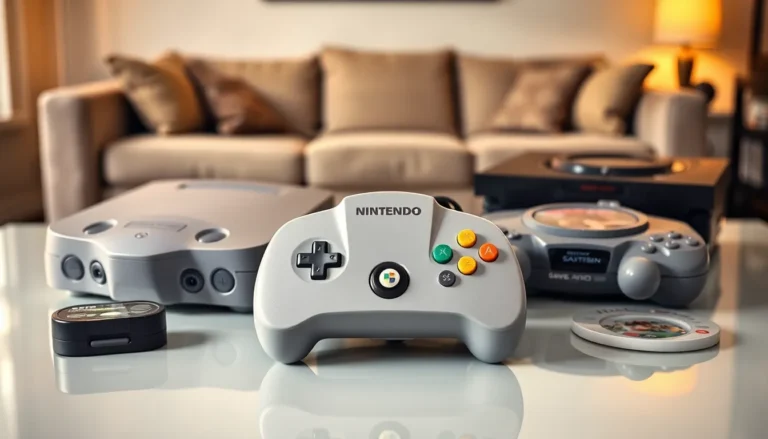
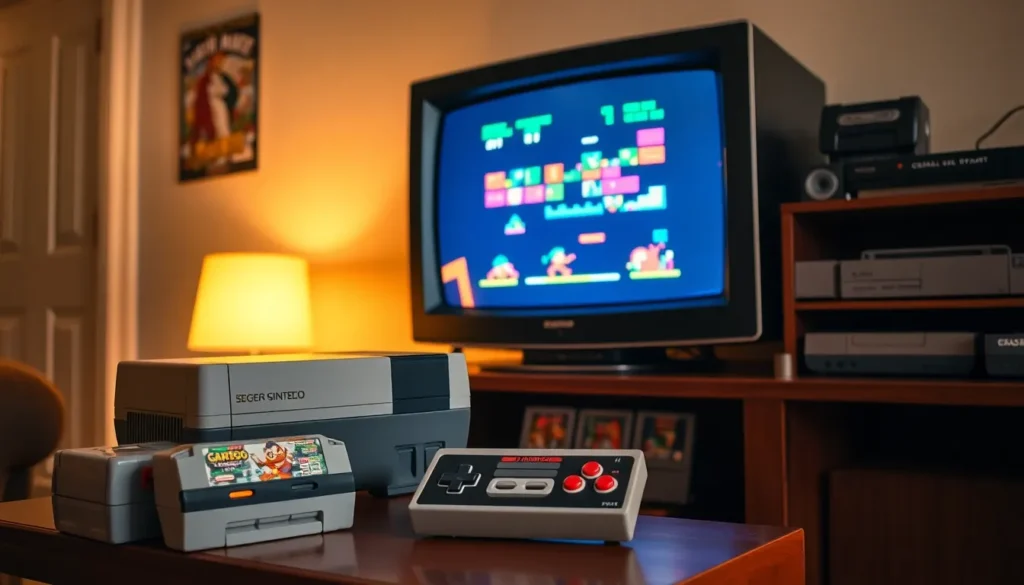
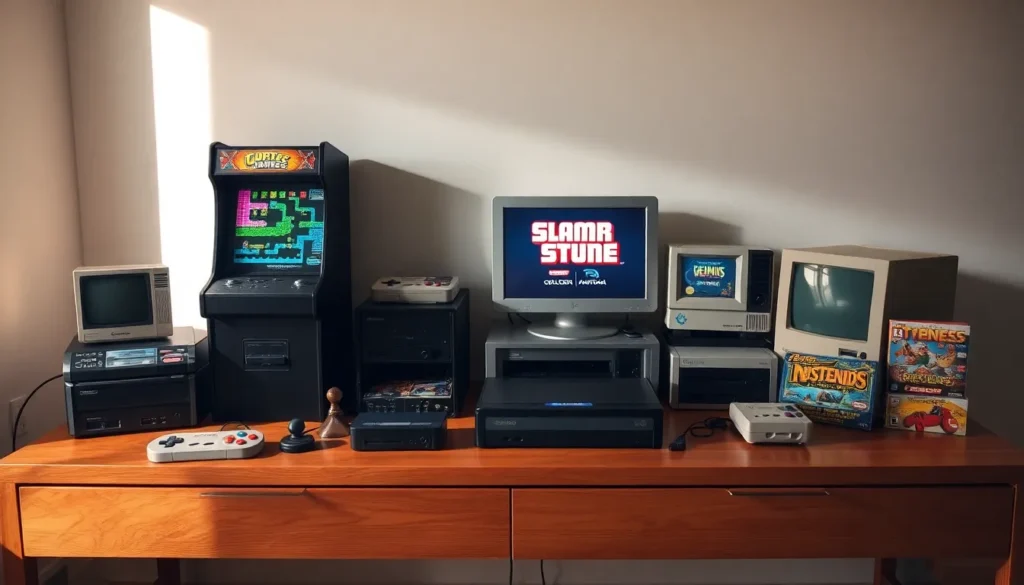
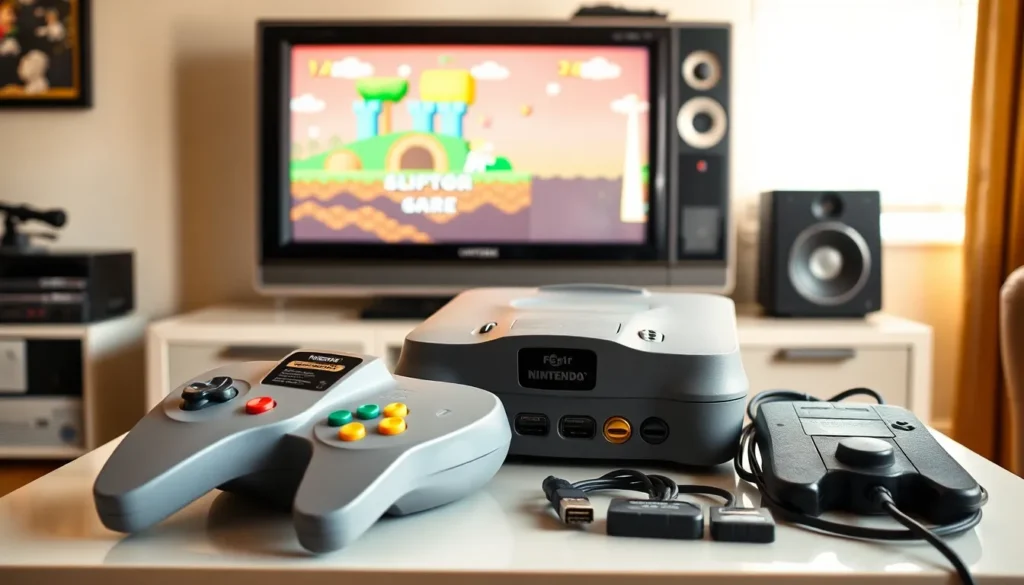
The term “retro gaming” doesn’t have an official definition, but most collectors agree on a general timeframe. Games and consoles from the 1970s through the early 2000s typically fall into this category. That includes systems like the Atari 2600, NES, Sega Genesis, Super Nintendo, PlayStation 1, and Nintendo 64.
Some purists draw the line at 2D graphics. Others include anything two generations old or older. The PlayStation 2 and original Xbox now qualify as retro by most standards, which might make some readers feel ancient.
Retro gaming for beginners often starts with a specific era or console that holds personal meaning. Maybe it’s the system a friend owned growing up. Perhaps it’s a platform known for a particular genre, like the SNES for RPGs or the Genesis for action games.
What matters most isn’t the exact definition. It’s the experience these older games provide: straightforward gameplay, memorable soundtracks, and designs that prioritized fun over flashy graphics.
Choosing Your First Retro Platform
Picking a first console is the biggest decision for anyone exploring retro gaming. Each platform has distinct strengths, game libraries, and price points.
The NES and Super Nintendo remain popular choices for retro gaming for beginners. Both systems have massive game libraries with well-documented titles. Prices vary widely, common games cost $10-30, while rare titles can reach hundreds.
The Sega Genesis offers a different flavor of 16-bit gaming. It excels at arcade-style action and sports games. Hardware tends to cost less than Nintendo equivalents.
For 3D-era gaming, the PlayStation 1 provides excellent value. Games are still affordable, the library is enormous, and the console itself rarely costs more than $50-80 in working condition.
Original Hardware vs. Modern Alternatives
Beginners face a key choice: buy original consoles or use modern alternatives?
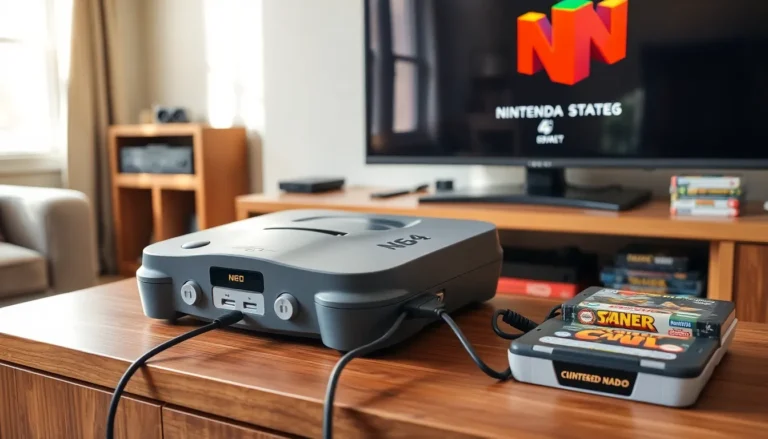
Original hardware delivers the authentic experience. CRT televisions display these games exactly as developers intended. The controllers feel right. There’s something satisfying about inserting a cartridge and pressing the power button.
But original equipment has drawbacks. Old consoles fail over time. CRT TVs take up space and grow harder to find. Connecting vintage hardware to modern displays often produces poor results without additional equipment.
Modern alternatives solve many problems. The Analogue Pocket plays Game Boy cartridges on updated hardware. The MiSTer FPGA system recreates dozens of classic platforms with high accuracy. Nintendo’s own mini consoles (NES Classic, SNES Classic) offer plug-and-play simplicity.
Retro gaming for beginners doesn’t require original hardware. Many newcomers start with emulation or clone consoles, then graduate to authentic equipment once they know what they enjoy.
Software emulation on computers or devices like the Retroid Pocket costs less than any other option. Quality varies, but popular emulators reproduce most games accurately.
Building Your Game Collection
Starting a retro game collection requires strategy. Prices have increased significantly since 2020, making smart buying essential.
First, identify must-play titles for the chosen platform. Every console has its greatest hits, games that defined the system and remain fun today. The SNES has Super Mario World, The Legend of Zelda: A Link to the Past, and Super Metroid. The Genesis has Sonic the Hedgehog 2, Streets of Rage 2, and Gunstar Heroes.
Retro gaming for beginners works best when newcomers focus on quality over quantity. Five excellent games provide more enjoyment than fifty mediocre ones.
Where to buy matters. Local game stores often charge market prices but allow inspection before purchase. eBay and similar sites offer wider selection but carry risks of reproductions or damaged items. Garage sales, thrift stores, and estate sales occasionally yield incredible deals.
Learn to spot reproduction cartridges. Fake games flood the market, especially for expensive titles. Check label quality, cartridge color, and internal components. Online guides explain the differences for specific games.
Budget-conscious collectors can start with common titles. Not every game needs to be rare or expensive. Many affordable games, sports titles, licensed games from the era, lesser-known gems, deliver genuine fun.
Digital options exist too. Services like Nintendo Switch Online include classic game libraries. Steam and GOG sell officially released retro titles. These provide legal, convenient ways to experience retro gaming for beginners without hunting for physical copies.
Essential Accessories and Setup Tips
The right accessories make retro gaming more enjoyable. A few key purchases improve the experience significantly.
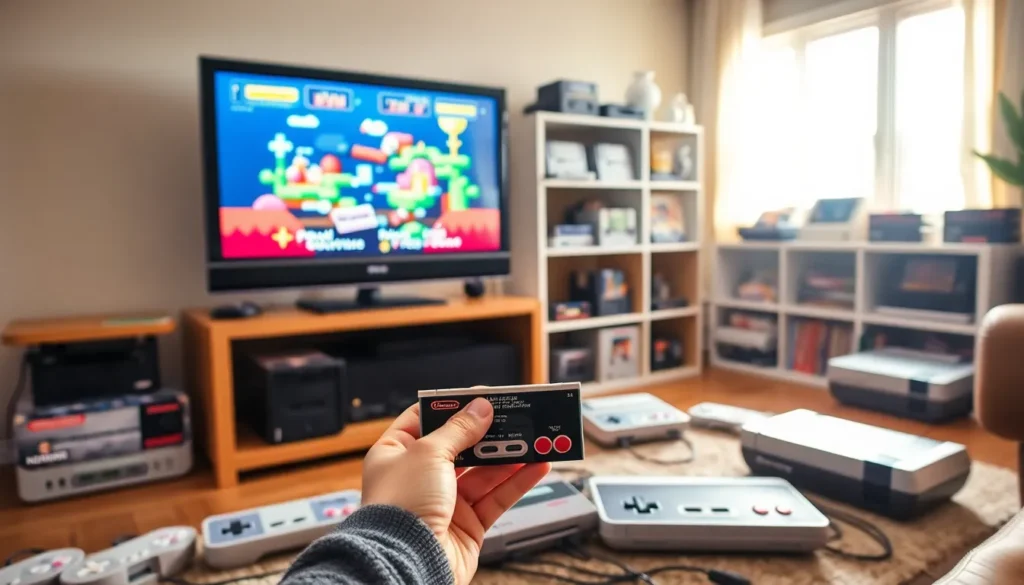
Controllers matter most. Original controllers for popular systems remain available, though quality varies with age. Third-party options like 8BitDo produce wireless controllers that work with original consoles and modern devices. Having at least two controllers enables multiplayer, a strength of many classic games.
Display setup affects visual quality. Original consoles output signals that modern TVs handle poorly. Upscalers like the RetroTINK line convert old video signals for HD displays. These devices range from $70 to $300 depending on features.
Retro gaming for beginners on a budget can skip expensive upscalers initially. Composite cables (the red, white, and yellow connections) work on most TVs. The picture won’t look perfect, but games remain playable.
CRT televisions provide the ideal display for retro gaming. Many people give them away free. The challenge is finding space and transportation, these sets weigh considerably more than modern displays.
Storage protects investments. Game cases, cartridge sleeves, and shelving keep collections organized and safe. Climate-controlled rooms prevent label damage and battery corrosion in cartridges.
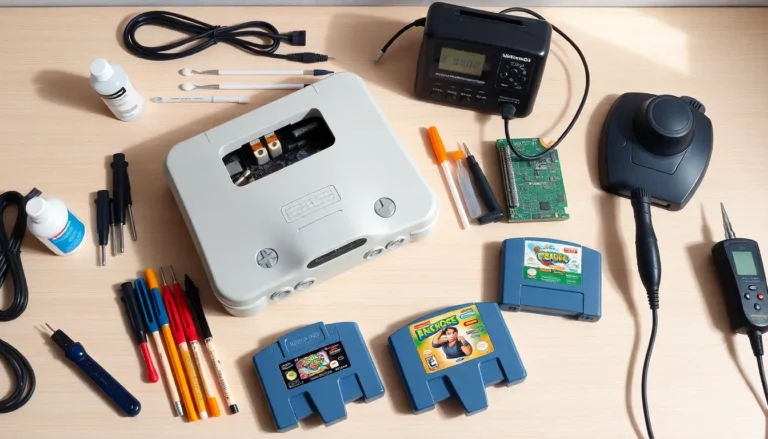
Cleaning supplies help maintain games and consoles. Isopropyl alcohol (90% or higher), cotton swabs, and security bit screwdrivers allow basic maintenance. Dirty cartridge contacts cause most game-reading issues, a quick cleaning often fixes problems.