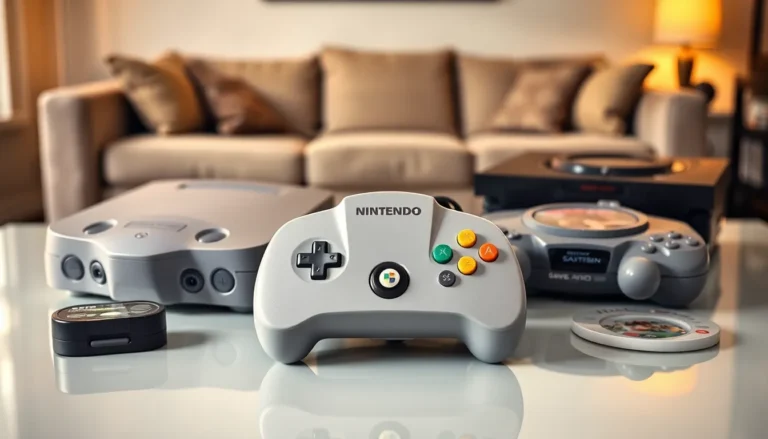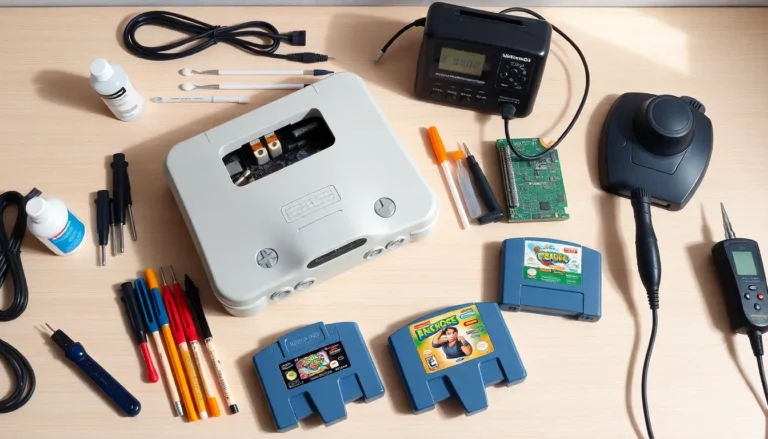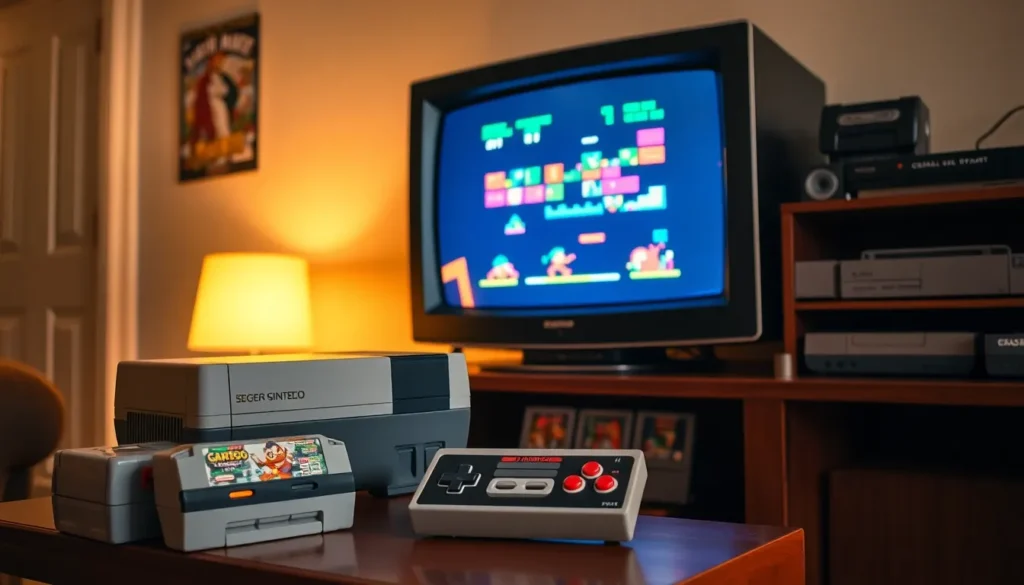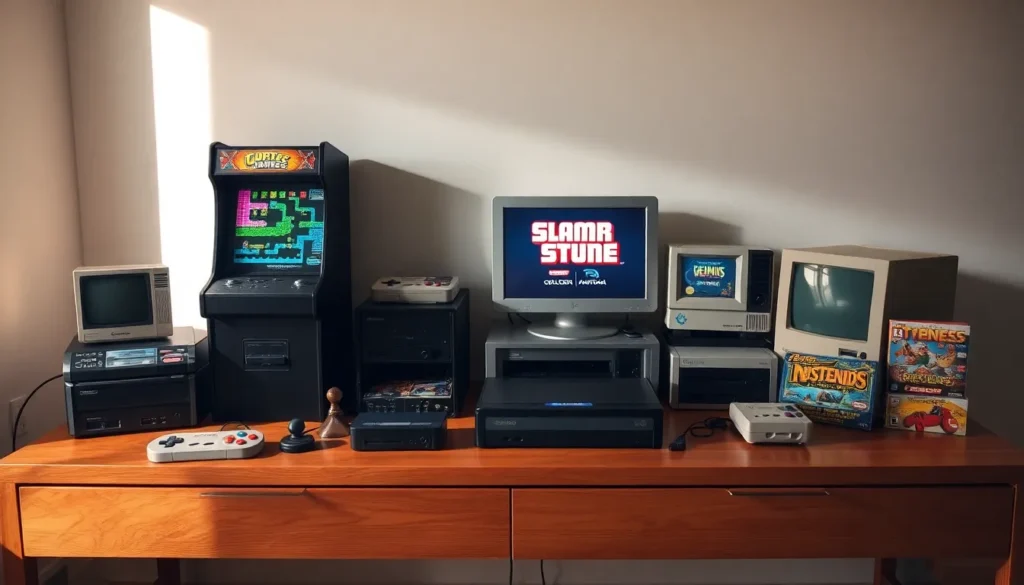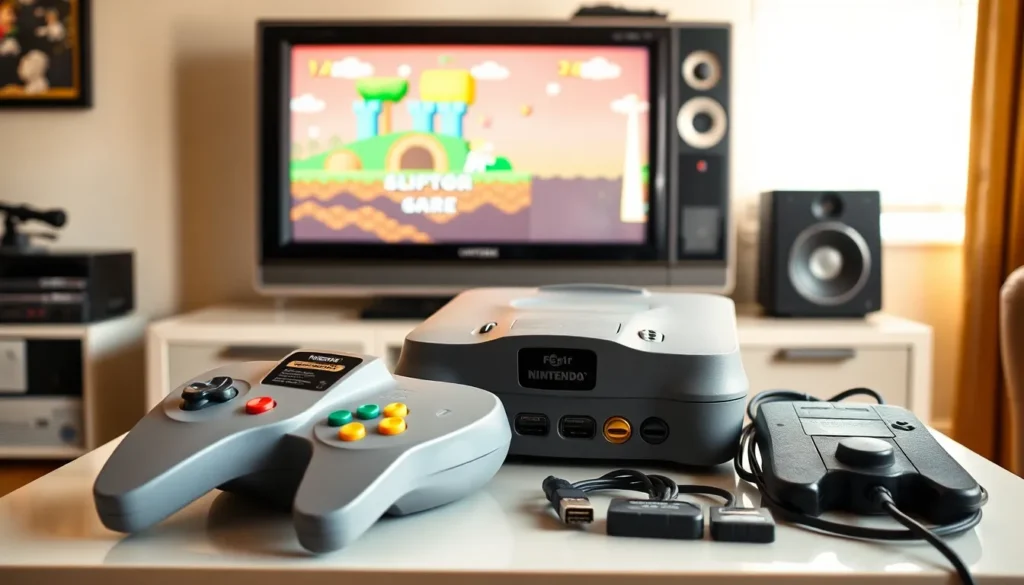

This retro gaming guide covers everything players need to know about classic video games. Retro gaming has grown into a global hobby, attracting millions of fans who want to experience the titles that shaped the industry. Whether someone is rediscovering childhood favorites or exploring vintage games for the first time, this guide provides clear direction. Readers will learn about key platforms, collection strategies, and modern methods to play old-school titles. The appeal of retro gaming extends beyond nostalgia, it offers simple gameplay, memorable soundtracks, and a connection to gaming history.
Table of Contents
ToggleKey Takeaways
- Retro gaming covers video games from the 1970s through early 2000s, including iconic systems like the NES, SNES, Sega Genesis, and PlayStation.
- Start your retro gaming collection by setting a budget, focusing on one console or genre, and learning to spot counterfeit cartridges.
- Modern options like Nintendo Switch Online, mini consoles, and FPGA devices make classic games accessible without original hardware.
- Use CRT televisions or quality upscalers like RetroTINK for the best retro gaming experience on modern displays.
- Join online communities on Reddit, YouTube, and Discord to connect with collectors and discover buying tips for your retro gaming journey.
What Is Retro Gaming and Why It Matters Today
Retro gaming refers to playing video games from previous generations. Most enthusiasts consider games and consoles from the 1970s through the early 2000s as “retro.” This includes systems like the Atari 2600, Nintendo Entertainment System (NES), Sega Genesis, and original PlayStation.
Why does retro gaming matter in 2025? Several reasons stand out.
First, these games laid the foundation for modern titles. Franchises like Mario, Zelda, Sonic, and Final Fantasy started decades ago. Understanding their origins gives players deeper appreciation for current releases.
Second, retro games offer different design philosophies. Many classic titles prioritize skill-based challenges over hand-holding tutorials. They reward practice and patience. A single session of Mega Man 2 or Contra teaches players more about pattern recognition than hours of modern tutorials.
Third, the retro gaming community continues to grow. Online forums, YouTube channels, and social media groups connect millions of collectors and players worldwide. Speedrunning, completing games as fast as possible, has turned classic titles into competitive events with real prize money.
The market reflects this interest. Rare cartridges sell for thousands of dollars. Complete-in-box copies of games like EarthBound or Chrono Trigger have become investment pieces. Even casual fans notice when a sealed copy of Super Mario Bros. sells for over $1 million at auction.
Retro gaming isn’t just nostalgia. It’s an active, thriving part of gaming culture.
Essential Platforms and Consoles to Explore
Any retro gaming guide should highlight the most important systems. Here are the platforms that shaped the industry.
Nintendo Entertainment System (NES)
The NES revived the video game industry after the 1983 crash. It introduced Super Mario Bros., The Legend of Zelda, and Metroid. For retro gaming beginners, the NES library offers hundreds of quality titles at various price points.
Super Nintendo Entertainment System (SNES)
The SNES built on its predecessor’s success with 16-bit graphics and better sound. Games like Super Mario World, A Link to the Past, and Super Metroid remain benchmarks for game design. Many consider the SNES library the greatest of any console.
Sega Genesis
Sega’s answer to Nintendo brought arcade-style action home. Sonic the Hedgehog, Streets of Rage, and Phantasy Star IV showcase the system’s strengths. The Genesis also pioneered sports gaming with the Madden and NHL series.
PlayStation and PlayStation 2
Sony’s consoles expanded gaming audiences in the late 1990s and 2000s. The original PlayStation delivered Final Fantasy VII, Metal Gear Solid, and Resident Evil. The PS2 became the best-selling console ever with over 155 million units sold.
Game Boy and Game Boy Advance
Portable retro gaming matters too. Nintendo’s handheld line offered Pokémon, Tetris, and countless RPGs. These systems remain affordable and easy to collect.
Each platform offers distinct experiences. New collectors should pick one system and learn its library before expanding.
How to Start Your Retro Gaming Collection
Building a retro gaming collection requires strategy. Prices have increased significantly over the past decade, so smart shopping matters.
Set a Budget
Decide how much to spend monthly. Even $50 per month adds up quickly. Stick to the budget and avoid impulse purchases on expensive items.
Choose a Focus
Collecting everything is impossible. Focus on one console, one genre, or one franchise. A complete Castlevania collection across all platforms tells a better story than random games from multiple systems.
Learn to Spot Fakes
Counterfeit cartridges flood the market, especially for expensive titles. Learn to identify reproduction labels, incorrect shell colors, and wrong circuit boards. Opening cartridges to check internals is standard practice for serious collectors.
Where to Buy
Local game stores often have fair prices and let buyers inspect items in person. Flea markets and garage sales occasionally yield great finds. Online marketplaces like eBay offer selection but require careful seller research. Facebook Marketplace and local selling apps sometimes have deals from non-collectors clearing out old stuff.
Condition Matters
Decide early whether loose cartridges satisfy the collection goals or if complete-in-box items are necessary. CIB games cost significantly more but display better. Many players prefer loose cartridges because they actually play them.
Storage and Care
Keep games away from direct sunlight, humidity, and extreme temperatures. Clean cartridge contacts with isopropyl alcohol. Store boxes vertically like books to prevent crushing.
This retro gaming guide emphasizes patience. The best deals come to those who wait and research.
Modern Ways to Play Classic Games
Not everyone wants to collect original hardware. Modern options make retro gaming accessible to all budgets.
Official Re-Releases
Nintendo, Sega, and other publishers sell classic games through digital storefronts. Nintendo Switch Online includes hundreds of NES, SNES, N64, and Game Boy titles for subscribers. PlayStation Plus offers PS1 and PS2 games. These legal options support developers and provide convenient access.
Mini Consoles
The NES Classic Edition and SNES Classic Edition pack dozens of pre-loaded games into small, plug-and-play units. Sega released similar products. These mini consoles offer excellent emulation quality and authentic controllers.
FPGA Hardware
Companies like Analogue produce premium devices that play original cartridges with near-perfect accuracy. The Analogue Pocket handles Game Boy, Game Gear, and other handheld cartridges. The Analogue Duo plays TurboGrafx-16 games. These devices cost more but provide the highest-quality retro gaming experience.
Emulation
Emulators run retro games on computers, phones, and other devices. Legal emulation requires owning the original games or using legally available ROMs. Many retro gaming fans use emulation to play imported titles never released in their region.
Clone Consoles
Budget clone systems play original cartridges but use software emulation. Quality varies widely. The Retron 5 plays cartridges from multiple systems but has known compatibility issues. Research specific models before buying.
Each method serves different needs. Collectors want original hardware. Casual fans prefer convenience. This retro gaming guide recommends trying multiple approaches to find what works best.
Tips for Getting the Best Retro Gaming Experience
Playing old games on modern TVs creates challenges. Follow these tips for better results.
Use the Right Display
Old consoles output 240p signals that modern TVs handle poorly. CRT televisions display these signals correctly and provide the intended look. Many retro gaming enthusiasts hunt for quality CRTs at thrift stores.
If using a flat-panel TV, invest in an upscaler like the RetroTINK or OSSC. These devices convert old video signals to HDMI while preserving image quality.
Get Good Controllers
Original controllers feel best but wear out over time. Companies like 8BitDo make quality wireless controllers compatible with classic systems. Having working controllers makes retro gaming sessions enjoyable.
Consider Flash Carts
Devices like the Everdrive load ROM files onto original hardware. They let players keep their collections on one cartridge while experiencing games on authentic consoles. Flash carts also enable fan translations and ROM hacks.
Join the Community
Reddit communities like r/retrogaming and r/gamecollecting offer advice and buying tips. YouTube channels review hardware and recommend games. Discord servers connect players for multiplayer sessions.
Play the Hits First
Every platform has must-play titles. Start with consensus classics before exploring obscure gems. Top-ten lists for each system provide solid starting points.
Don’t Overlook Japanese Games
Many excellent titles never left Japan. Region-free systems like the Super Famicom and import adapters open up entire libraries. Fan translations make Japanese RPGs accessible to English speakers.
These tips help newcomers and veterans alike get more from their retro gaming hobby.