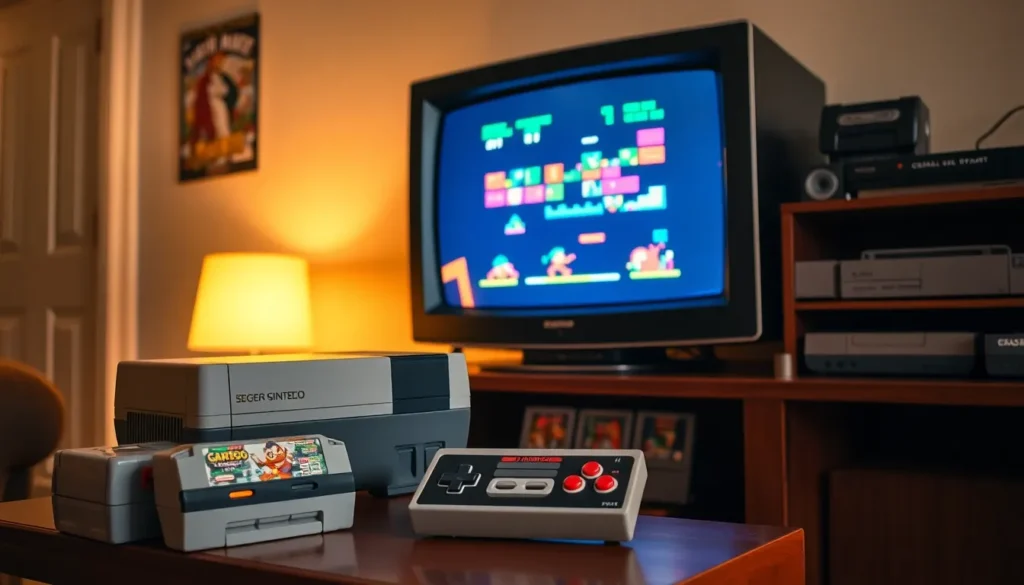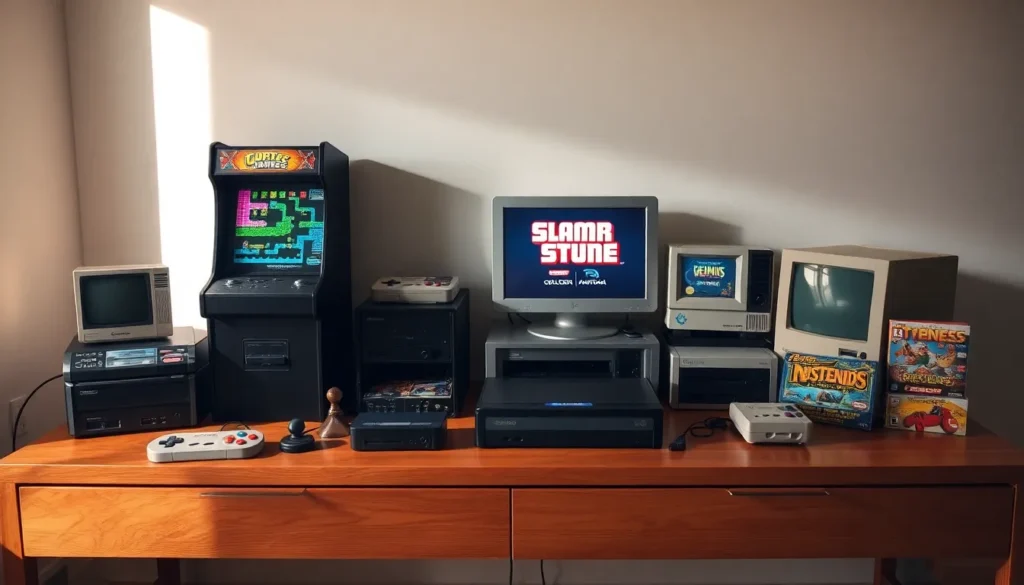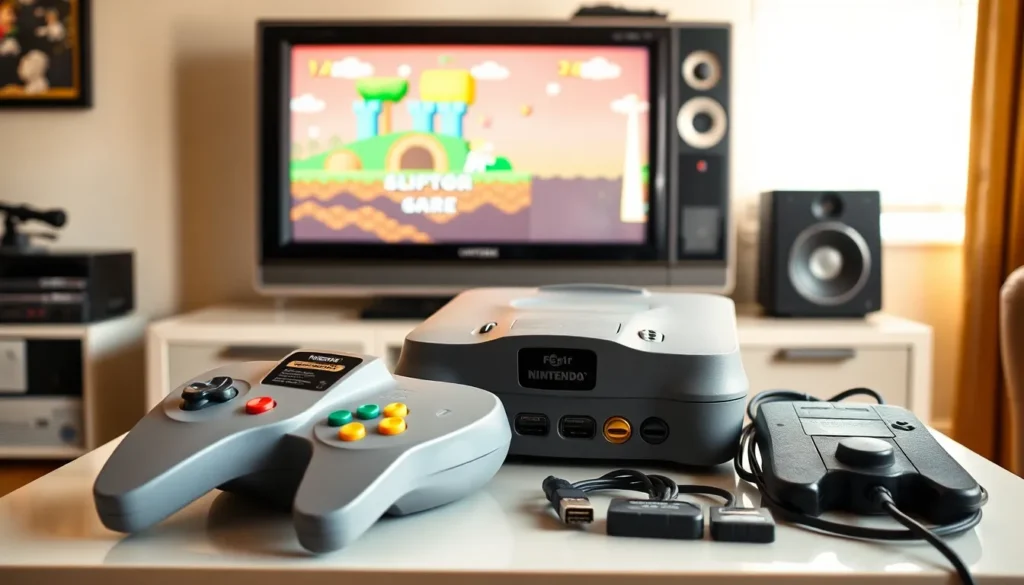
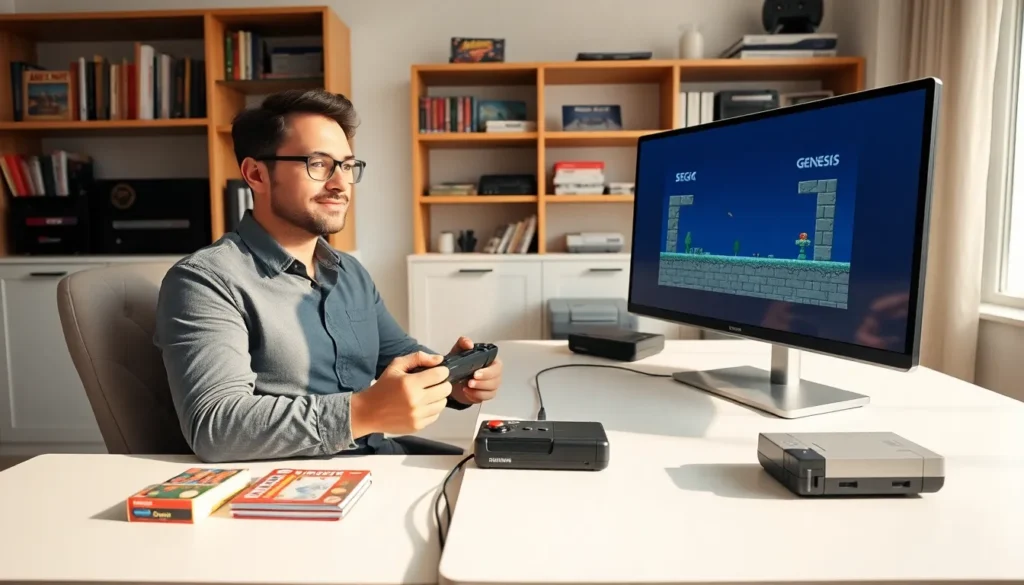

Retro gaming tips can transform how players experience classic video games from the 1980s and 1990s. Whether someone dusts off an old NES or discovers vintage titles for the first time, these games offer something modern releases often lack, pure, straightforward fun. But playing older games today requires some know-how. Hardware needs attention. Cartridges need care. Display settings need adjustments. This guide covers everything players need to enjoy retro gaming at its best, from setting up original consoles to building a collection worth keeping.
Table of Contents
ToggleKey Takeaways
- Match your hardware choice to your goals—original consoles for authenticity, FPGA systems for accuracy, or emulation for convenience and affordability.
- Clean cartridge contacts with 90%+ isopropyl alcohol instead of blowing into them to prevent corrosion and extend game life.
- Use upscalers like RetroTINK or OSSC to reduce input lag and preserve pixel sharpness when playing retro games on modern TVs.
- Start your collection with games you genuinely want to play, and set a monthly budget to avoid overspending on rising retro game prices.
- Enable “Game Mode” on your TV and set the aspect ratio to 4:3 for the best retro gaming experience with minimal lag and proper visuals.
- Research hidden gems and lesser-known titles to find quality retro games at affordable prices instead of chasing expensive hyped releases.
Choosing the Right Hardware Setup
The hardware setup makes or breaks the retro gaming experience. Players have two main options: original hardware or modern alternatives.
Original Consoles
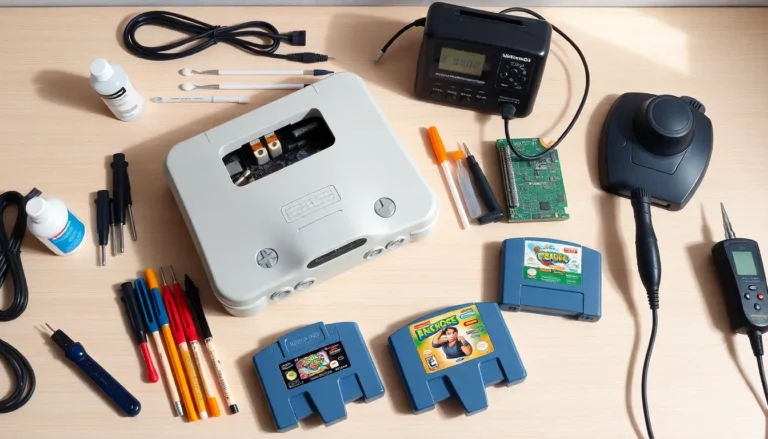
Original consoles like the Super Nintendo, Sega Genesis, or PlayStation 1 deliver an authentic experience. These systems play cartridges and discs exactly as intended. But, they require maintenance. Capacitors age. Power supplies fail. Controllers wear out. Players should inspect any used console before buying and budget for potential repairs.
Clone Consoles and FPGA Systems
Clone consoles offer a middle ground. Budget options like the Retron series play original cartridges on modern TVs. For serious collectors, FPGA-based systems like the Analogue Pocket or MiSTer provide near-perfect hardware replication. These devices recreate original chips digitally, producing accurate gameplay without emulation lag.
Emulation Options
Software emulation runs retro games on PCs, Raspberry Pi devices, or dedicated handhelds. This approach costs less and supports thousands of games. The trade-off? Some games run imperfectly. Input lag can affect timing-sensitive titles. Still, for casual retro gaming, emulation works well.
One key retro gaming tip: match the hardware to personal goals. Collectors want original systems. Convenience seekers prefer emulation. Accuracy enthusiasts choose FPGA.
Finding and Preserving Game Cartridges
Cartridges remain the heart of retro gaming collections. Finding good copies takes patience. Keeping them functional takes care.
Where to Find Cartridges
Local game stores often stock retro titles. Prices vary widely, so comparison shopping pays off. Thrift stores and garage sales occasionally yield hidden gems at low prices. Online marketplaces like eBay offer the largest selection, though buyers should verify seller ratings and check photos carefully for damage or reproduction labels.
Game conventions and swap meets provide another source. These events let buyers inspect cartridges before purchasing. They also connect collectors with others who share retro gaming tips and trade duplicates.
Spotting Fakes
Counterfeit cartridges flood the market, especially for valuable games. Players should examine label quality, cartridge color, and screw types. Opening the cartridge reveals the circuit board, authentic boards feature Nintendo or Sega logos and specific chip configurations. Comparison photos online help identify reproductions.
Preservation Best Practices
Proper storage extends cartridge life. Players should keep games in cool, dry locations away from direct sunlight. Plastic cases protect labels and pins from dust. Cleaning dirty cartridge contacts with isopropyl alcohol (90% or higher) restores reliable connections.
Never blow into cartridges. Even though the popular myth, breath introduces moisture that corrodes metal contacts over time. A quick wipe with a cotton swab works better and follows smart retro gaming tips from experienced collectors.
Optimizing Display Settings for Older Games
Retro games look different on modern TVs than they did on old CRTs. Understanding display options helps players get the best visuals.
The CRT Advantage
Cathode ray tube televisions display retro games as developers intended. Scanlines, phosphor glow, and instant response times create the authentic look. Many retro gaming enthusiasts hunt for quality CRTs at thrift stores or online listings. Sony Trinitron and JVC D-Series models remain popular choices.
Modern TV Considerations
Flat-panel TVs stretch or blur retro game graphics. Low-resolution signals don’t scale well to 4K screens. Input lag, the delay between pressing a button and seeing the action, causes problems in fast-paced games.
Solutions exist. Upscalers like the RetroTINK or OSSC convert low-resolution signals to HD while preserving pixel sharpness. These devices reduce input lag and add optional scanline filters for a CRT-like appearance. They represent solid investments for anyone serious about retro gaming.
Adjusting In-Game and TV Settings
Players should enable “Game Mode” on their TVs. This setting disables post-processing effects that cause lag. Adjusting aspect ratio to 4:3 prevents stretched graphics. Some games include brightness or contrast options worth tweaking.
These retro gaming tips about displays make a noticeable difference. Proper visual setup respects the original art design and improves gameplay responsiveness.
Mastering Classic Gameplay Mechanics
Retro games play differently than modern titles. They demand pattern recognition, precise timing, and patience.
Understanding Game Design Philosophy
Older games came from arcades. Developers designed them to challenge players and consume quarters. Lives were limited. Continues were rare. Difficulty ramped up quickly. Players who approach retro games with this mindset adjust their expectations and enjoy the experience more.
Learning Through Repetition
Classic games reward memorization. Enemy spawn points, platform placements, and boss patterns stay consistent. Players improve by replaying sections until muscle memory takes over. This loop, fail, learn, retry, defined gaming for a generation.
Controller Considerations
Original controllers feel best for their respective systems. The SNES controller’s d-pad excels for platformers. The Genesis six-button pad handles fighting games perfectly. Modern USB reproductions from companies like 8BitDo offer quality alternatives with wireless convenience.
Players should also consider button mapping. Some retro games use unusual control schemes by today’s standards. Spending a few minutes in options menus customizing layouts prevents frustration.
Useful Retro Gaming Tips for Specific Genres
- Platformers: Watch enemy patterns before advancing. Learn safe spots.
- RPGs: Talk to every NPC. They often reveal critical hints.
- Fighting games: Practice special move inputs in training modes.
- Shoot-em-ups: Focus on the player character, not the bullets. Peripheral vision handles threats.
Building Your Retro Game Collection
A well-curated collection brings years of enjoyment. Smart collecting balances passion with practicality.
Start with What You Love
Collectors should begin with games they actually want to play. Nostalgia drives many purchases, those childhood favorites deserve spots on the shelf. Playing purchases prevents the collection from becoming an expensive display.
Set a Budget
Retro game prices have increased significantly. Popular titles like EarthBound, Chrono Trigger, and Panzer Dragoon Saga cost hundreds of dollars. Setting monthly spending limits prevents financial strain. Patience often rewards collectors: prices fluctuate, and deals appear regularly.
Consider Condition and Completeness
Cartridge-only games cost less than complete-in-box copies. Players who prioritize gameplay over display can save substantially. But, boxes and manuals add collector value and historical context. Each buyer decides what matters most.
Hidden Gems Over Hype
Expensive games aren’t always the best games. Many affordable titles offer excellent experiences. Researching lesser-known releases uncovers quality games at reasonable prices. Online communities share retro gaming tips about underrated classics worth trying.
Document Everything
Spreadshe ets or apps like GAMEYE help track owned games, prices paid, and wish lists. Documentation prevents duplicate purchases and shows collection growth over time.