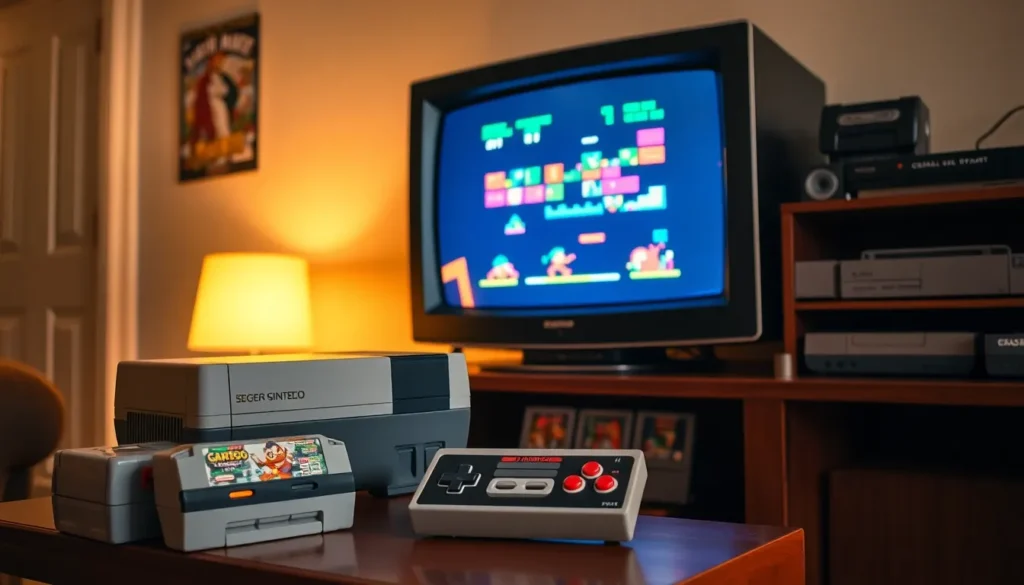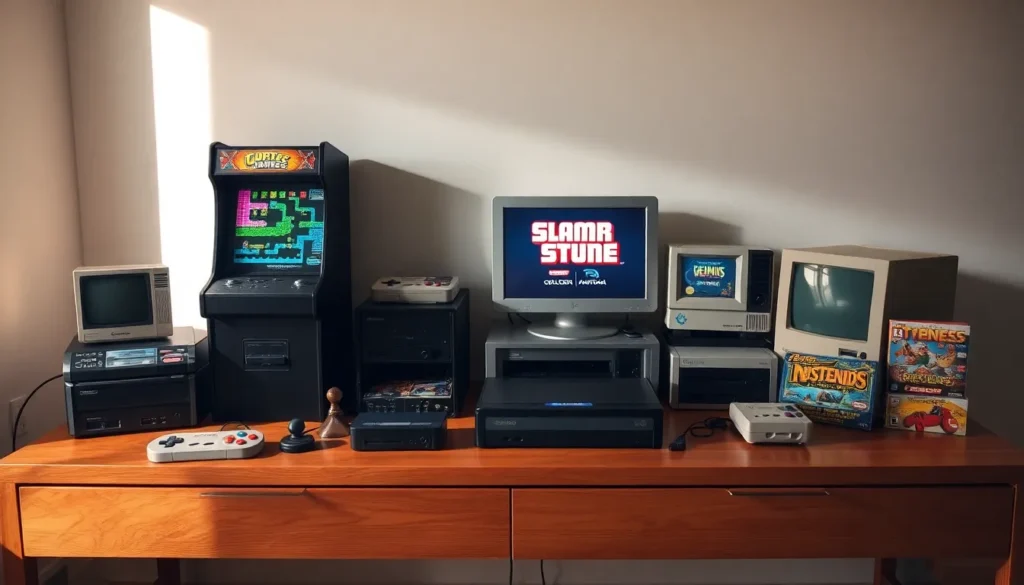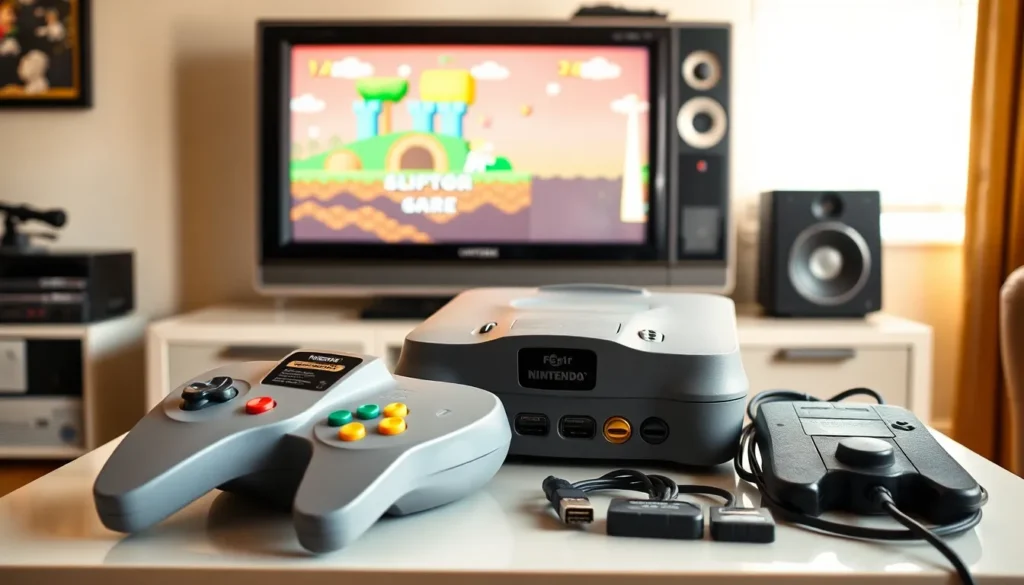

Retro gaming trends 2026 show no signs of slowing down. Players across generations are rediscovering classic titles, hunting for original hardware, and embracing new games that look and feel like 1990s favorites. The nostalgia scene has evolved beyond simple remembrance. It’s now a thriving market segment with dedicated communities, major publisher investments, and innovative preservation efforts. This year brings fresh developments in mini consoles, remasters, authentic hardware revivals, and indie games that pay homage to pixel-art classics. Here’s what’s shaping retro gaming trends 2026 and why collectors, casual fans, and newcomers should pay attention.
Table of Contents
ToggleKey Takeaways
- Retro gaming trends 2026 are driven by mini console revivals, with new releases from major and third-party brands offering plug-and-play nostalgia.
- Publishers are investing heavily in remasters and remakes of PS2 and GameCube-era titles, delivering familiar experiences with modern production values.
- CRT monitors and original hardware are surging in demand as collectors seek authentic gaming experiences that emulators can’t fully replicate.
- Community-driven preservation efforts and ROM hacking are gaining mainstream acceptance, helping protect gaming history from disappearing.
- Retro-inspired indie games continue to thrive, with developers capturing classic design philosophy rather than just mimicking pixel-art visuals.
- Retro gaming trends 2026 span casual fans seeking convenience and hardcore collectors investing in authentic hardware and physical media.
The Rise of Mini Console Revivals
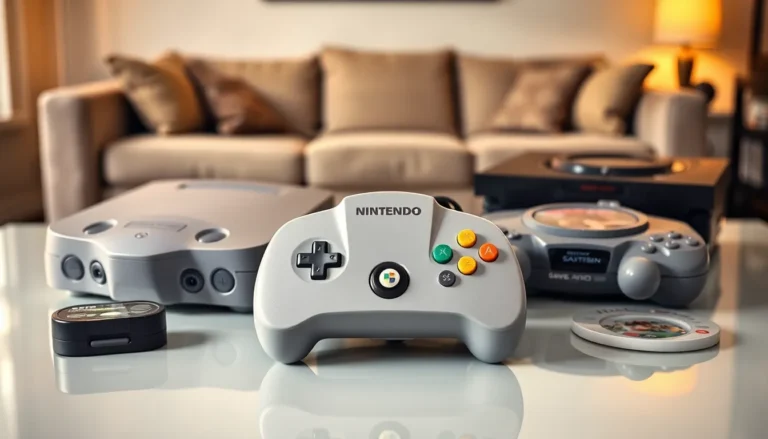
Mini console revivals continue to dominate retro gaming trends 2026. Companies like Nintendo, Sega, and Sony have proven that compact versions of beloved systems sell extremely well. The success of the NES Classic, SNES Classic, and Sega Genesis Mini opened a floodgate. Now smaller manufacturers and even third-party developers are entering the space.
This year, collectors can expect new entries from unexpected brands. Rumors point toward mini versions of consoles from the early 2000s, including handhelds that defined portable gaming. These devices typically include 20 to 40 pre-loaded games, HDMI output, and save-state functionality.
The appeal is straightforward. Mini consoles offer convenience. They don’t require hunting for cartridges or dealing with aging hardware. Plug them in, and the experience feels authentic enough for most players. For those who grew up with these systems, it’s a shortcut back to childhood gaming sessions.
Retailers report strong pre-order numbers for upcoming mini console releases. The retro gaming trends 2026 market clearly favors accessible, affordable options that deliver instant nostalgia.
Remasters and Remakes Dominating Release Calendars
Major publishers are betting heavily on remasters and remakes. This strategy makes financial sense. Established franchises carry built-in audiences. Development costs often run lower than creating entirely new properties from scratch.
Retro gaming trends 2026 include high-profile remakes of PS2 and GameCube-era titles. These projects typically feature updated graphics, quality-of-life improvements, and modern control schemes. Some stay faithful to the original. Others take creative liberties that spark debate among longtime fans.
The remaster approach works differently. These releases polish existing games without fundamentally changing gameplay or story. Higher resolutions, improved frame rates, and bug fixes define most remaster projects. Players get the game they remember, but it runs better on current hardware.
Several major announcements have already generated significant buzz. RPGs, platformers, and survival horror titles from the late 1990s and early 2000s are receiving the remake treatment. Publishers recognize that retro gaming trends 2026 favor familiar titles presented with modern production values.
Critics and fans remain divided on execution quality. The best remakes honor the source material while introducing thoughtful updates. The worst feel like cash grabs that misunderstand what made the originals special.
CRT Monitors and Authentic Hardware Making a Comeback
A growing segment of collectors rejects modern convenience entirely. They want the real thing. CRT monitors, original consoles, and authentic cartridges have become hot commodities.
Retro gaming trends 2026 show increased demand for CRT televisions. These older displays handle classic games differently than modern screens. Scanlines, phosphor glow, and input lag characteristics create an experience that emulators struggle to replicate perfectly. Enthusiasts argue that games designed for CRT displays simply look better on them.
Prices for quality CRT monitors have climbed steadily. Professional video monitors from Sony and JVC command premium prices. Even consumer-grade CRTs that once sat on curbs now sell for hundreds of dollars.
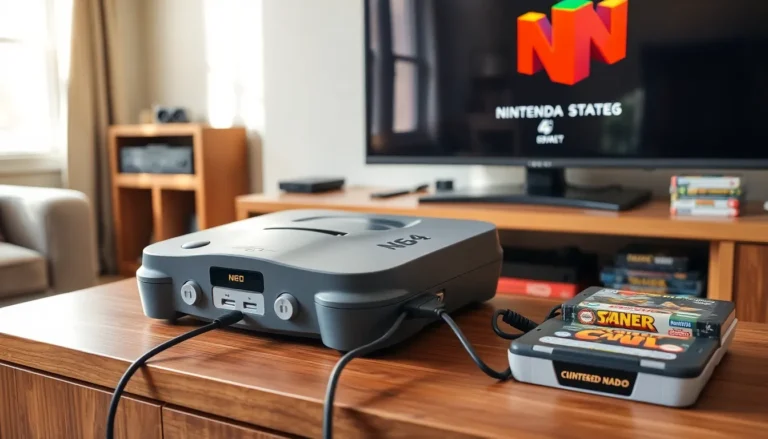
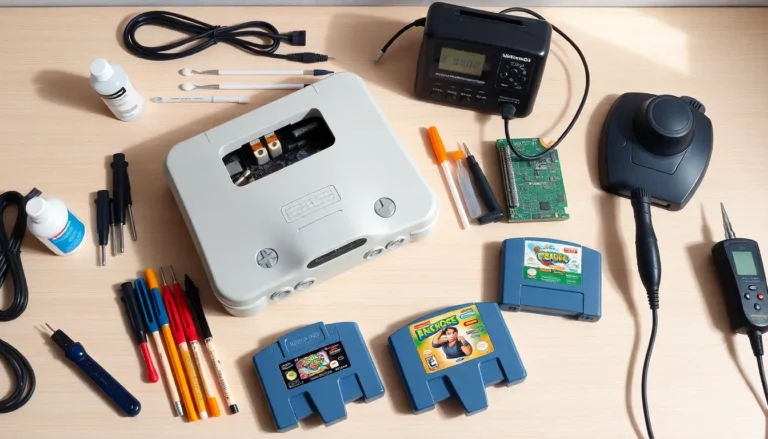
Original hardware presents similar challenges. Working Nintendo 64s, Sega Saturns, and PlayStation consoles require maintenance. Capacitors fail. Disc drives wear out. Collectors invest in repairs and modifications to keep their systems running.
The authentic hardware movement within retro gaming trends 2026 represents a rejection of digital-only futures. These collectors value physical media, tangible ownership, and the specific feel of original controllers. It’s a niche within a niche, but it’s growing.
Community-Driven Preservation and ROM Hacking
Preservation efforts remain essential to retro gaming trends 2026. Many classic games face uncertain futures. Publishers lose source code. Licensing agreements expire. Physical media degrades over time.
Community groups have stepped up where corporations often fail. Organizations like the Video Game History Foundation advocate for legal protections and archive rare titles. Volunteer-run projects catalog, document, and preserve games that might otherwise disappear.
ROM hacking adds another dimension. Talented programmers create fan translations, bug fixes, and entirely new content using classic game engines. Some projects restore censored content. Others add accessibility features that original developers never considered.
Retro gaming trends 2026 show growing mainstream acceptance of these efforts. Gaming media covers major preservation wins. Streamers and content creators showcase fan translations of games that never received official English releases.
Legal gray areas complicate matters. Publishers occasionally issue takedown notices. The tension between corporate intellectual property rights and cultural preservation continues. Even though these challenges, community-driven projects remain vital to keeping gaming history accessible.
Retro-Inspired Indie Games Gaining Momentum
Indie developers have embraced retro aesthetics with enthusiasm. Pixel art, chiptune soundtracks, and gameplay mechanics from past decades define a significant portion of the independent scene.
Retro gaming trends 2026 include several highly anticipated indie releases. These games don’t just mimic old graphics. They capture the design philosophy of specific eras. Tight controls, challenging difficulty curves, and focused experiences characterize the best entries.
Some developers target specific inspirations openly. Metroidvanias, roguelikes, and classic RPG formats remain popular templates. Others blend retro visuals with modern mechanics, creating hybrid experiences that feel fresh yet familiar.
The financial success of titles like Shovel Knight, Celeste, and Stardew Valley proved the market exists. Studios large and small have taken notice. Retro-inspired games regularly appear in digital storefronts, and several have secured physical releases for collectors.
Player reception stays strong. Critics praise games that understand why classic titles worked rather than simply copying surface-level aesthetics. The best retro-inspired indies offer tight design, memorable moments, and respect for the games that inspired them.
Retro gaming trends 2026 suggest this category will continue expanding. New developers entering the industry grew up with these classics. Their passion translates into games that honor the past while standing on their own merits.