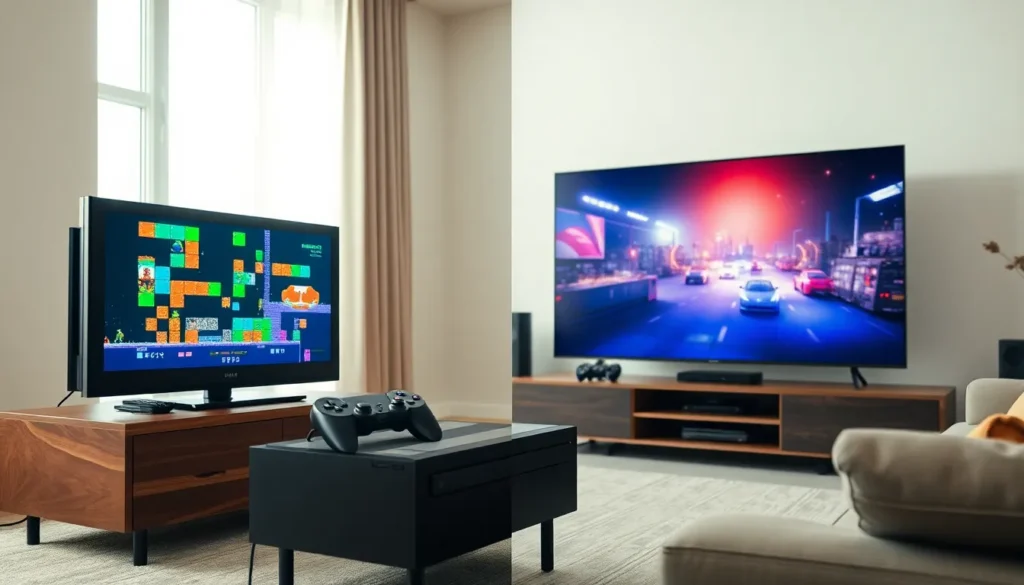

Retro gaming vs modern gaming sparks endless debates among players worldwide. Some gamers crave the pixelated charm of 8-bit classics, while others chase photorealistic graphics and immersive open worlds. Both styles offer distinct experiences, and choosing between them depends on personal taste, budget, and what players want from their gaming sessions. This guide breaks down the key differences between retro and modern gaming, helping readers decide which approach fits their lifestyle and preferences.
Table of Contents
ToggleKey Takeaways
- Retro gaming emphasizes skill-based challenges and immediate action, while modern gaming prioritizes storytelling, world-building, and player choice.
- The retro gaming vs modern gaming debate often comes down to time—classic games offer shorter sessions, while modern titles can require 40-100+ hours to complete.
- Cost varies significantly: emulation makes retro gaming nearly free, but rare cartridges can cost hundreds, while modern gaming requires $400-$500 for consoles plus $60-$70 per new release.
- Nostalgia drives much of retro gaming’s appeal, but well-designed classics hold up for new players who appreciate tight gameplay and memorable music.
- Many players find the best approach isn’t choosing one side—combining retro and modern gaming provides variety and appreciation for how the medium has evolved.
What Defines Retro Gaming and Modern Gaming
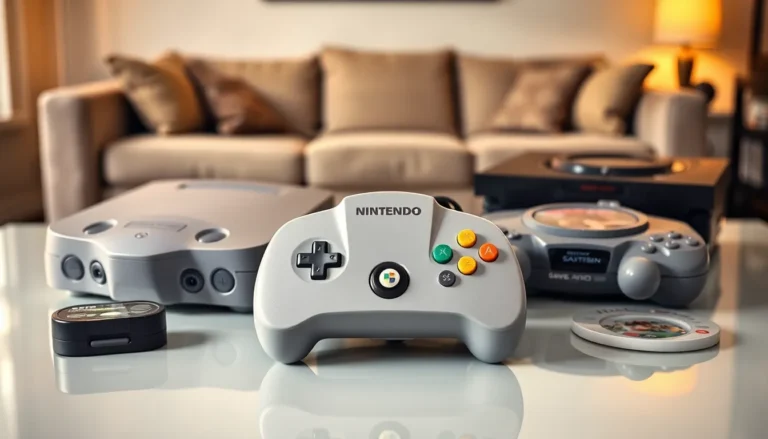
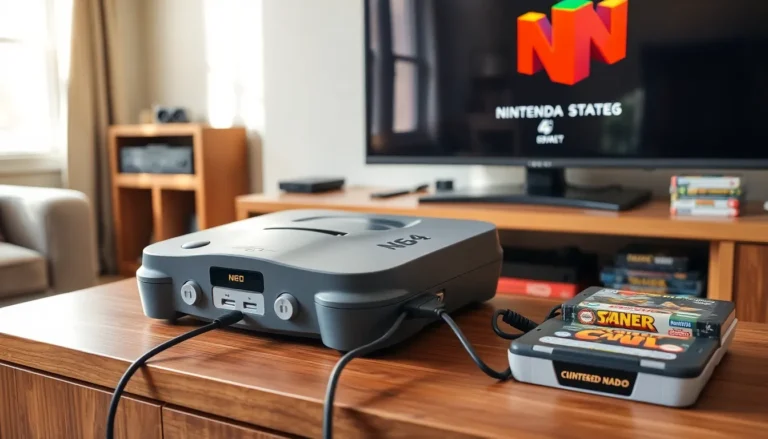
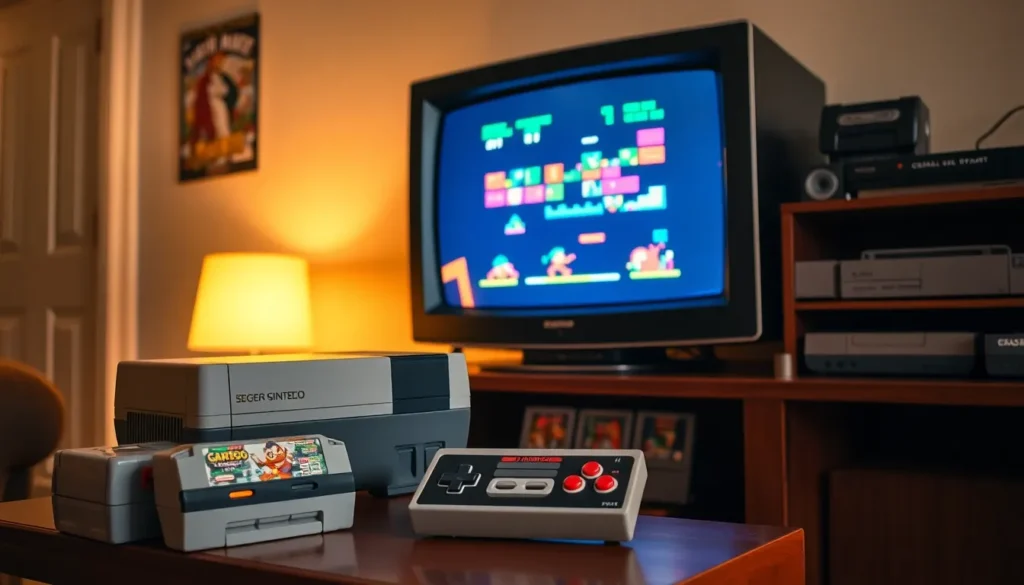
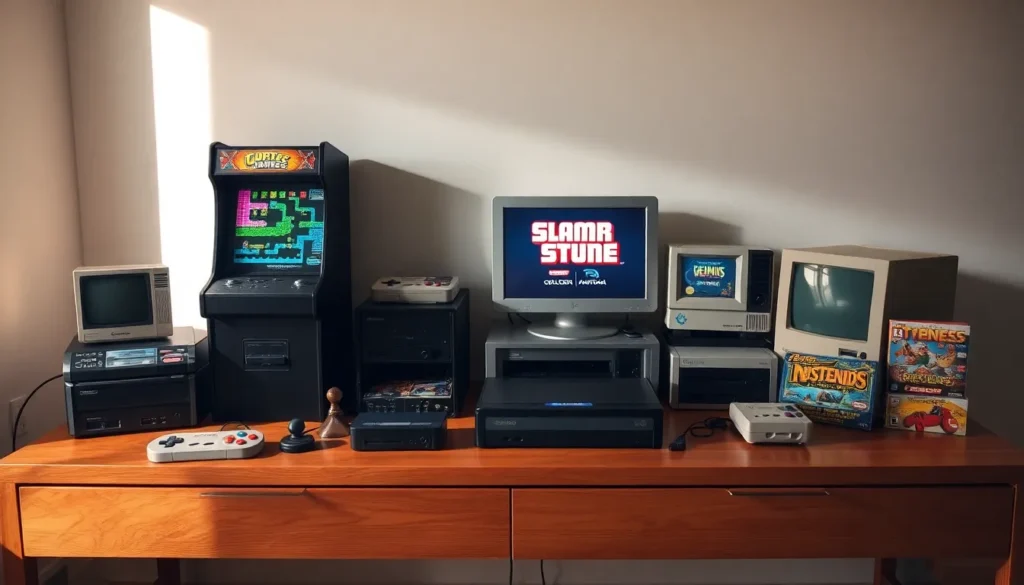
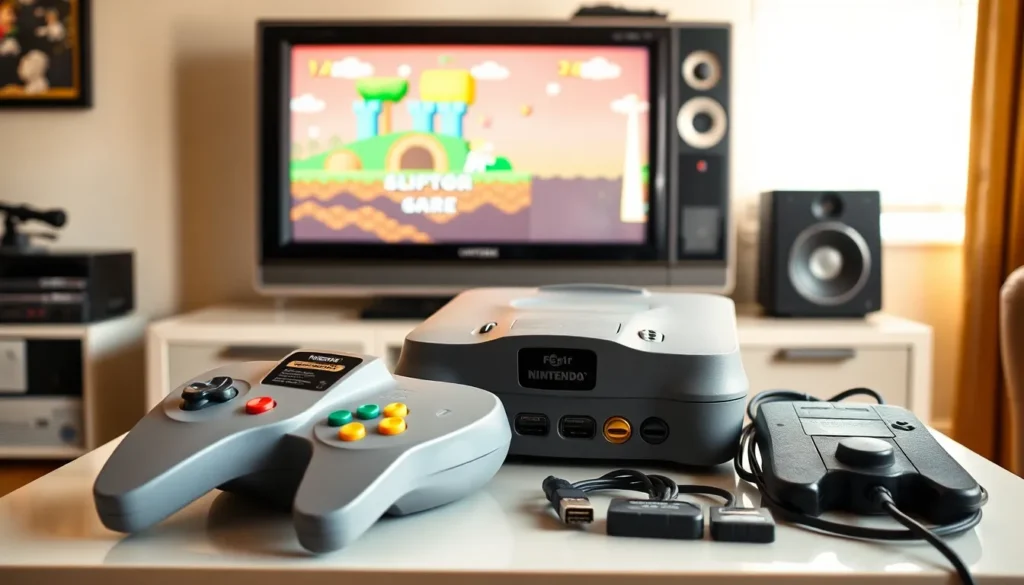
Retro gaming typically refers to playing video games from past generations, usually consoles and titles released before the mid-2000s. Think Nintendo Entertainment System, Sega Genesis, PlayStation 1, and arcade cabinets. These games feature simpler graphics, chiptune soundtracks, and straightforward mechanics.
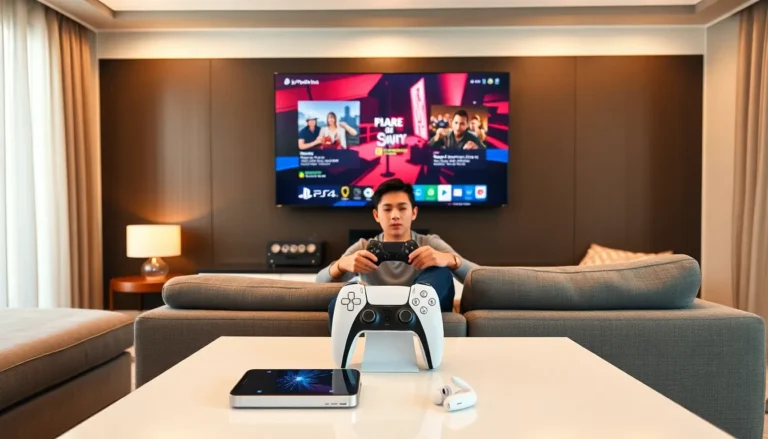
Modern gaming covers current-generation consoles like PlayStation 5, Xbox Series X, and high-end PCs. These platforms deliver 4K resolution, ray tracing, and complex AI systems. Games today often include expansive storylines, multiplayer components, and regular content updates.
The line between retro gaming and modern gaming isn’t always rigid. Many indie developers create new games with retro aesthetics, blending old-school visuals with contemporary design ideas. Meanwhile, remastered versions of classic titles bring beloved franchises to new hardware.
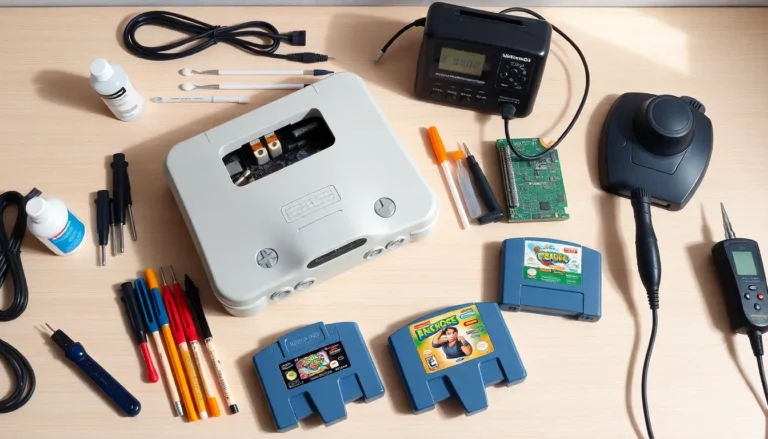
Retro gaming also includes the hardware itself. Collectors hunt for original cartridges, CRT televisions, and vintage controllers. Modern gaming, by contrast, emphasizes digital downloads, cloud saves, and wireless accessories.
Gameplay and Design Philosophy Differences
Retro gaming emphasizes skill-based challenges and immediate action. Players jump straight into gameplay without lengthy tutorials or cutscenes. Games like Super Mario Bros. or Contra demand precise timing and pattern recognition. Failure happens often, and mastery comes through repetition.
Modern gaming takes a different approach. Developers prioritize storytelling, character development, and player choice. Games like The Witcher 3 or Red Dead Redemption 2 invest heavily in world-building and narrative depth. Players spend hours exploring, completing side quests, and shaping outcomes through decisions.
Save systems highlight another key difference in the retro gaming vs modern gaming debate. Classic games often used passwords or limited save points, creating tension and stakes. Modern titles auto-save frequently and offer multiple save slots, reducing frustration but sometimes lowering the sense of risk.
Difficulty curves also differ significantly. Retro games rarely held hands, players figured things out or failed trying. Modern games often include adjustable difficulty settings, accessibility options, and guided objectives. This makes gaming more inclusive but changes the core experience.
Multiplayer has evolved dramatically too. Retro gaming meant couch co-op with friends sharing a single screen. Modern gaming offers online matchmaking, voice chat, and cross-platform play. Both have their appeal, but they create very different social dynamics.
Cost and Accessibility Considerations
Cost plays a major role in the retro gaming vs modern gaming decision. New AAA titles often launch at $60-$70, with additional expenses for DLC, season passes, and microtransactions. A current-gen console runs $400-$500, and a capable gaming PC costs even more.
Retro gaming can be cheaper, or surprisingly expensive. Emulation software and ROM libraries offer free access to thousands of classic games on existing hardware. But, collectors pay premium prices for authentic cartridges. Rare titles like Earthbound or Chrono Trigger sell for hundreds of dollars.
Accessibility has improved for both camps. Modern platforms feature built-in accessibility tools: colorblind modes, subtitle options, and controller remapping. Subscription services like Xbox Game Pass and PlayStation Plus provide access to extensive game libraries for monthly fees.
Retro gaming has become more accessible too. Mini consoles like the NES Classic and Sega Genesis Mini bundle dozens of games in affordable packages. The Analogue Pocket and similar devices play original cartridges with modern conveniences like HDMI output.
Time investment matters as well. Retro games typically offer shorter, more focused experiences. Players can finish many classics in a few hours. Modern games often demand 40-100+ hours to complete, which suits some schedules better than others.
Nostalgia Factor vs Cutting-Edge Technology
Nostalgia drives much of retro gaming’s appeal. Players who grew up with certain consoles experience powerful emotional connections when revisiting those games. The sounds, visuals, and mechanics trigger memories tied to childhood, friendships, and simpler times.
But nostalgia isn’t required to enjoy retro gaming. Younger players discover classic titles and appreciate them on their own merits. The tight design, memorable music, and focused gameplay hold up decades later. A well-designed game remains engaging regardless of when someone first plays it.
Modern gaming delivers experiences impossible on older hardware. Open worlds stretch for miles. Character models show subtle facial expressions. Physics engines simulate realistic environments. Virtual reality creates entirely new ways to interact with games.
The technology gap in retro gaming vs modern gaming creates different types of immersion. Retro games rely on player imagination to fill gaps left by limited graphics. Modern games leave less to imagination but deliver cinematic presentation.
Sound design showcases this contrast well. Chiptune music from the NES era carries a distinctive charm that many find appealing. Modern games feature orchestral scores, licensed soundtracks, and spatial audio that reacts to player movement. Both approaches create atmosphere, just through different means.
Which Gaming Style Suits Your Preferences
Choosing between retro gaming and modern gaming comes down to what players value most. Those who prioritize quick sessions, skill-based challenges, and straightforward fun often gravitate toward retro titles. Players seeking deep stories, visual spectacle, and online communities typically prefer modern releases.
Consider available time. Busy schedules favor retro gaming’s pick-up-and-play nature. Extended free time allows for the investment modern RPGs and open-world games require.
Budget matters too. Players comfortable with emulation can explore retro gaming essentially for free. Those wanting authentic hardware and rare cartridges need deeper pockets. Modern gaming requires significant upfront costs but offers ongoing value through subscription services.
Social preferences shape the decision as well. Retro gaming suits local multiplayer sessions with friends gathered around a TV. Modern gaming connects players globally but often through headsets rather than shared physical spaces.
Many players find the best answer isn’t retro gaming vs modern gaming at all, it’s both. Building a collection that spans generations provides variety. Playing Zelda: Breath of the Wild one evening and A Link to the Past the next offers appreciation for how the medium has evolved while honoring its roots.
There’s no wrong choice here. Gaming exists to entertain, challenge, and connect people. Whether through a dusty SNES cartridge or a day-one digital download, the goal remains the same: having fun.