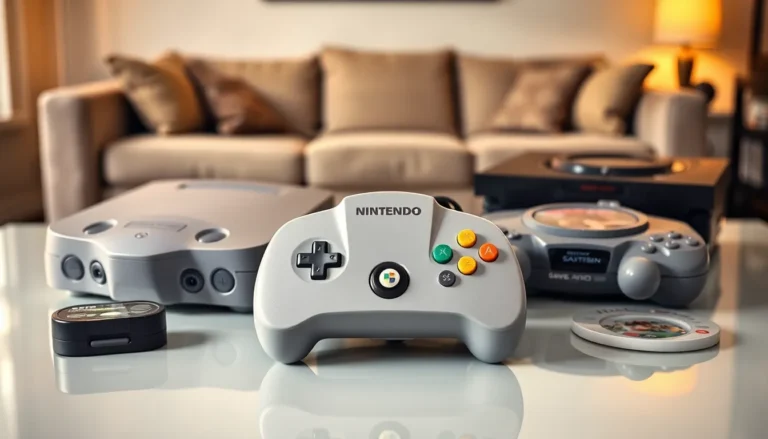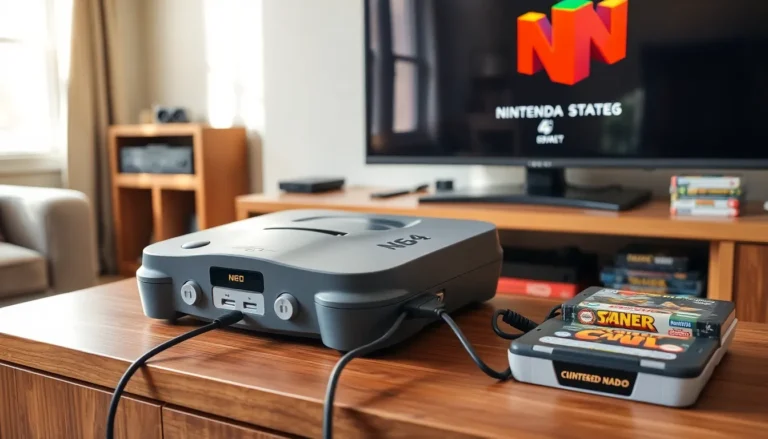

Top retro gaming has become more than nostalgia, it’s a full-blown cultural movement. Millions of players are rediscovering the pixelated charm of 8-bit adventures and the satisfying click of cartridge slots. Whether someone grew up blowing into NES cartridges or they’re discovering these classics for the first time, retro gaming offers something modern titles often miss: pure, unfiltered fun.
This guide covers everything players need to know about classic video game experiences. From defining what actually counts as “retro” to finding the best consoles and games worth playing in 2025, readers will walk away with a clear roadmap for their own retro gaming journey.
Table of Contents
ToggleKey Takeaways
- Top retro gaming refers to playing video games from previous generations, typically systems released before 2000, defined by pixel art, chiptune soundtracks, and skill-based gameplay.
- The NES, SNES, Sega Genesis, PlayStation 1, and Game Boy remain the best retro gaming consoles worth playing in 2025.
- Iconic titles like Super Mario Bros., The Legend of Zelda, and Final Fantasy VII shaped modern game design and are essential plays for any retro enthusiast.
- Beginners should start with one console and 5-10 games across different genres to discover their preferred retro gaming style.
- Hardware options range from original consoles and FPGA systems to emulation and mini consoles—each balancing authenticity, cost, and convenience differently.
- Joining retro gaming communities on Reddit, Discord, and YouTube helps newcomers get recommendations, troubleshoot issues, and connect with fellow enthusiasts.
What Defines Retro Gaming
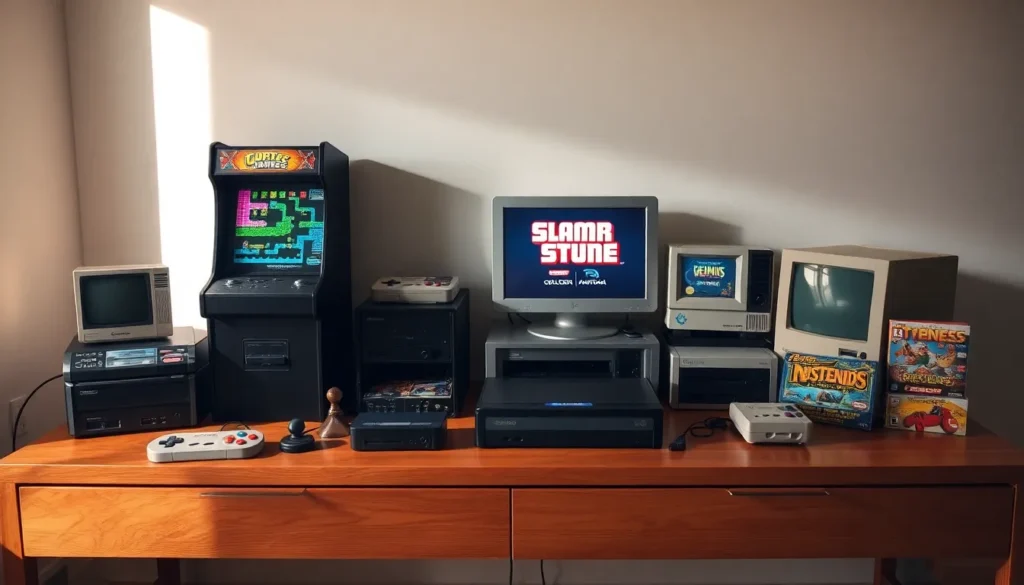
The term “retro gaming” sparks plenty of debate among collectors and casual players alike. Most enthusiasts agree that retro gaming refers to playing video games from previous generations, typically systems released before 2000. But, some argue the cutoff extends to sixth-generation consoles like the PlayStation 2 and original Xbox.
Three key elements define the retro gaming experience:
- Hardware from past generations: Original consoles, arcade cabinets, or authentic reproductions
- Games released during specific eras: Titles from the 1970s through early 2000s
- A distinct aesthetic: Pixel art, chiptune soundtracks, and simpler gameplay mechanics
Retro gaming isn’t just about age, though. It’s about a particular design philosophy. Games from this era focused on tight mechanics, immediate challenge, and replayability. There were no microtransactions, no 50-hour tutorials. Players got dropped into the action and figured things out.
The retro gaming community has grown substantially in recent years. Collectors hunt for rare cartridges. Speedrunners compete for world records on 30-year-old titles. New players discover why these games earned legendary status in the first place.
What makes retro gaming special? It strips away modern conveniences and asks players to develop actual skill. Dying in Mega Man meant starting over. Losing in Pac-Man cost another quarter. That challenge created memorable experiences that stick with players for decades.
Best Retro Gaming Consoles Worth Playing Today
Finding the right console matters for any retro gaming setup. Here are the platforms that deliver the best classic experiences in 2025.
Nintendo Entertainment System (NES)
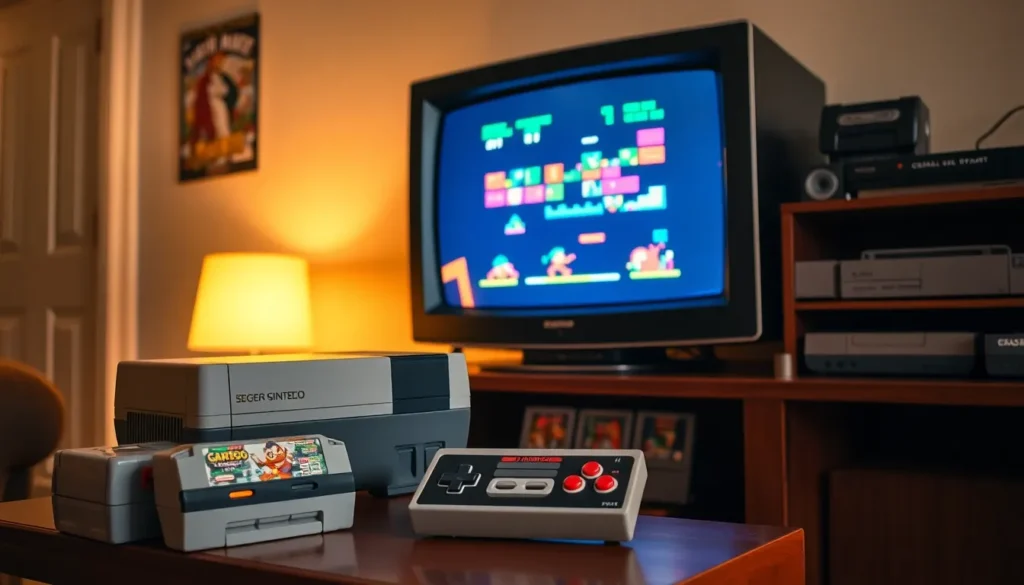
The NES revived the video game industry after the 1983 crash. Its library includes Super Mario Bros., The Legend of Zelda, and Metroid, games that established entire genres. Original hardware remains affordable, and the cartridge library is massive.
Super Nintendo Entertainment System (SNES)
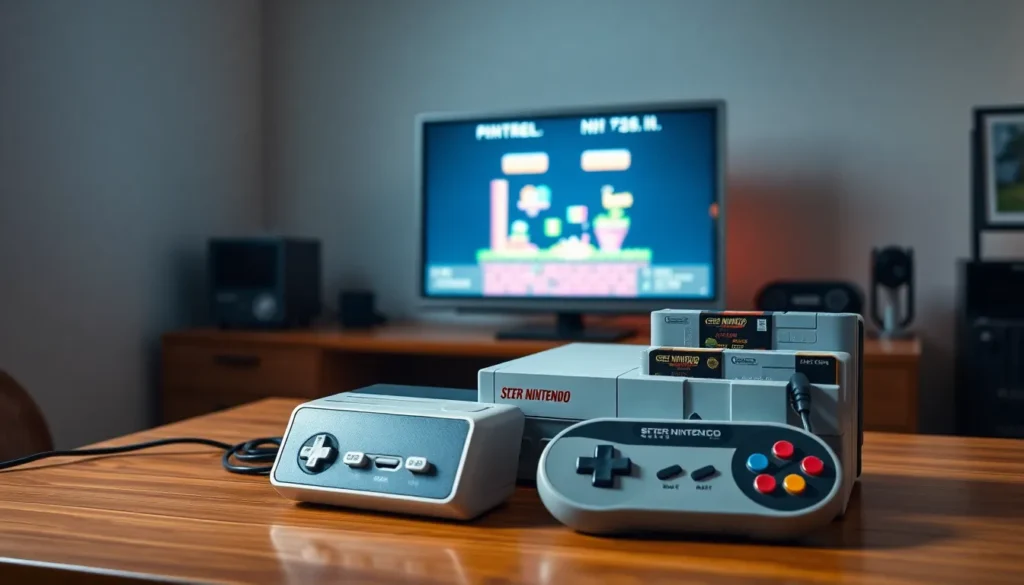
Many consider the SNES the peak of 16-bit gaming. Titles like Chrono Trigger, Super Metroid, and Final Fantasy VI showcase what developers could achieve with limited hardware. The controller design influenced every gamepad that followed.
Sega Genesis
Sega’s flagship console brought attitude to retro gaming. Sonic the Hedgehog defined speed-based platforming, while games like Streets of Rage and Phantasy Star IV proved the Genesis could compete with Nintendo on every front.
PlayStation 1
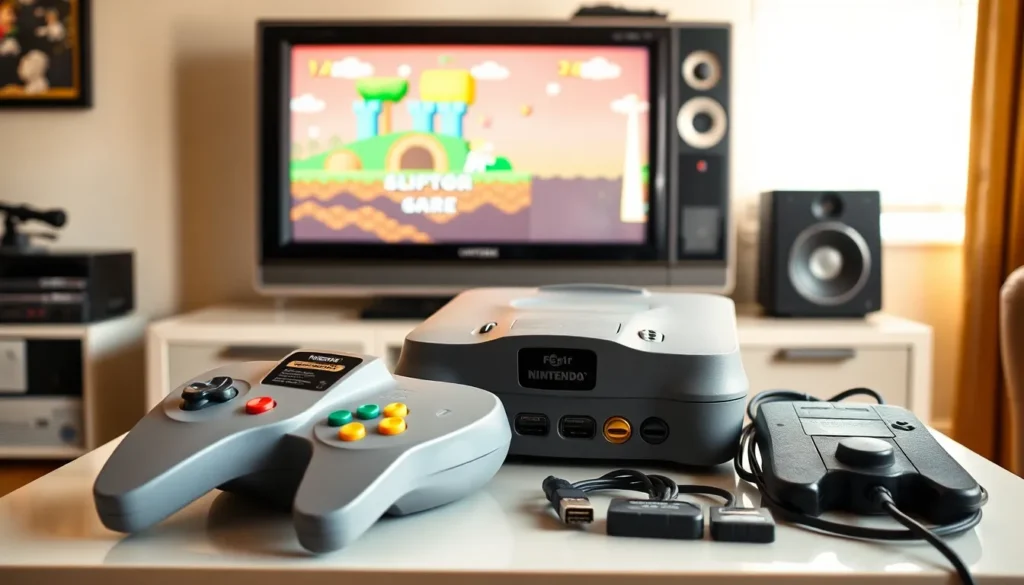
Sony’s first console marked the shift from 2D to 3D gaming. Final Fantasy VII, Metal Gear Solid, and Resident Evil became cultural touchstones. The PS1 library offers hundreds of hours of retro gaming content.
Game Boy / Game Boy Advance
Handheld retro gaming deserves attention too. The original Game Boy sold over 118 million units worldwide. The Game Boy Advance delivered SNES-quality experiences in a portable format. Both systems have extensive libraries worth exploring.
For those who want authentic retro gaming without hunting for original hardware, modern solutions exist. FPGA-based consoles like the Analogue Pocket replicate original hardware behavior with modern conveniences. Mini consoles from Nintendo and Sega offer plug-and-play options with pre-loaded games.
Iconic Games That Shaped the Industry
Retro gaming produced titles that still influence game design today. These games deserve spots on any classic gaming bucket list.
Super Mario Bros. (1985) defined the platformer genre. Its tight controls, creative level design, and hidden secrets set the template for thousands of games that followed. Super Mario Bros. sold over 40 million copies and saved the home console market.
The Legend of Zelda (1986) pioneered open-world exploration. Players could tackle dungeons in different orders and discover secrets through experimentation. This design philosophy continues in modern titles like Breath of the Wild.
Street Fighter II (1991) created the competitive fighting game scene. Its combo system, diverse character roster, and tournament-ready balance established standards the genre still follows.
Doom (1993) popularized the first-person shooter. Its fast-paced action, level design, and modding community shaped PC gaming for the next three decades.
Final Fantasy VII (1997) brought JRPGs to mainstream Western audiences. Its cinematic storytelling and memorable characters proved games could deliver emotional experiences rivaling film and literature.
Tetris (1984) transcended gaming entirely. This puzzle game has sold over 500 million copies across all platforms. Its simple mechanics and addictive gameplay make it one of the most influential retro gaming titles ever created.
These games matter because they took creative risks. Developers didn’t follow established formulas, they created them. Retro gaming lets players experience these innovations firsthand and understand why modern games work the way they do.
How to Start Your Retro Gaming Journey
Getting into retro gaming doesn’t require thousands of dollars or a warehouse full of equipment. Here’s a practical approach for beginners.
Choose a Starting Platform
Pick one console that interests you most. The NES and SNES offer the widest variety of genres. The Genesis appeals to action game fans. The PS1 works well for RPG enthusiasts. Starting with one system prevents overwhelming yourself with options.
Decide on Hardware Approach
Retro gaming hardware comes in several forms:
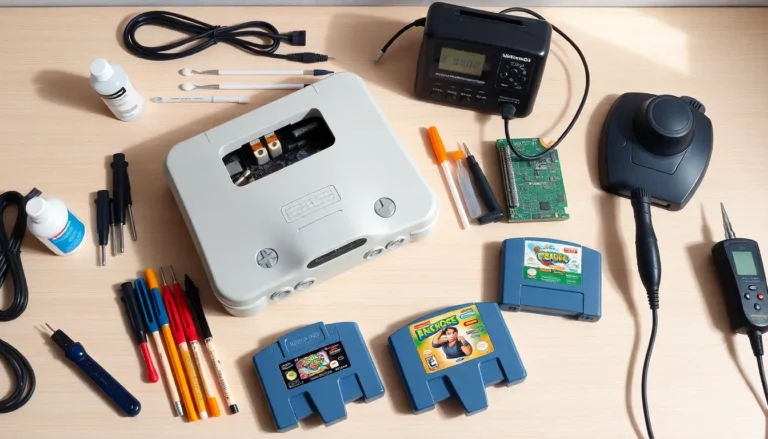
- Original consoles: Authentic experience, but requires maintenance and CRT TVs for best results
- FPGA consoles: Hardware-accurate reproduction with modern video output
- Emulation: Software-based solution that runs on computers and handheld devices
- Mini consoles: Plug-and-play systems with pre-installed games
Each approach has trade-offs. Original hardware offers authenticity. Emulation provides convenience and saves money. FPGA systems balance both considerations.
Build Your Game Library
Start with 5-10 games across different genres. This approach helps identify what retro gaming styles appeal most. Local game stores, online marketplaces, and garage sales offer opportunities to find titles. Reproduction cartridges provide affordable alternatives for expensive games.
Connect With the Community
Retro gaming communities thrive on platforms like Reddit, Discord, and dedicated forums. These groups share recommendations, help troubleshoot hardware issues, and celebrate classic gaming culture. Following retro gaming content creators on YouTube provides endless discovery opportunities.
Set Realistic Expectations
Older games don’t hold hands. Save points may not exist. Tutorials rarely appear. This challenge is part of the appeal, but it can frustrate players used to modern conveniences. Approach retro gaming with patience and willingness to learn.