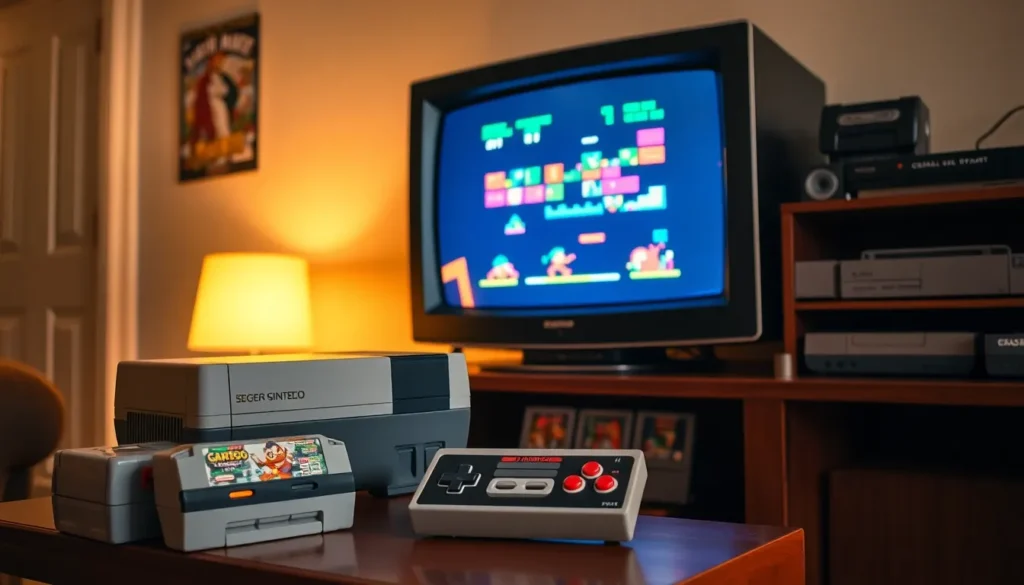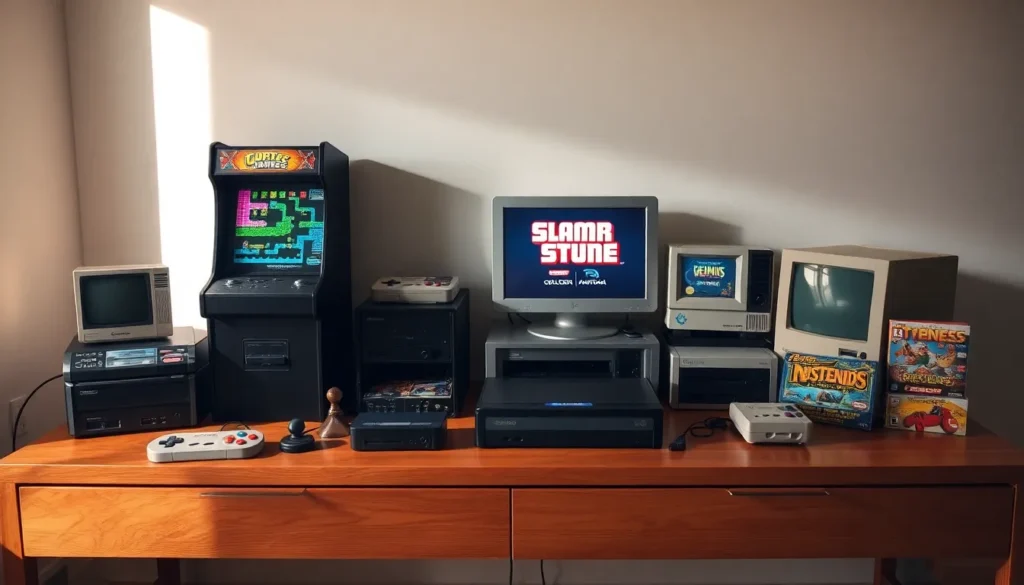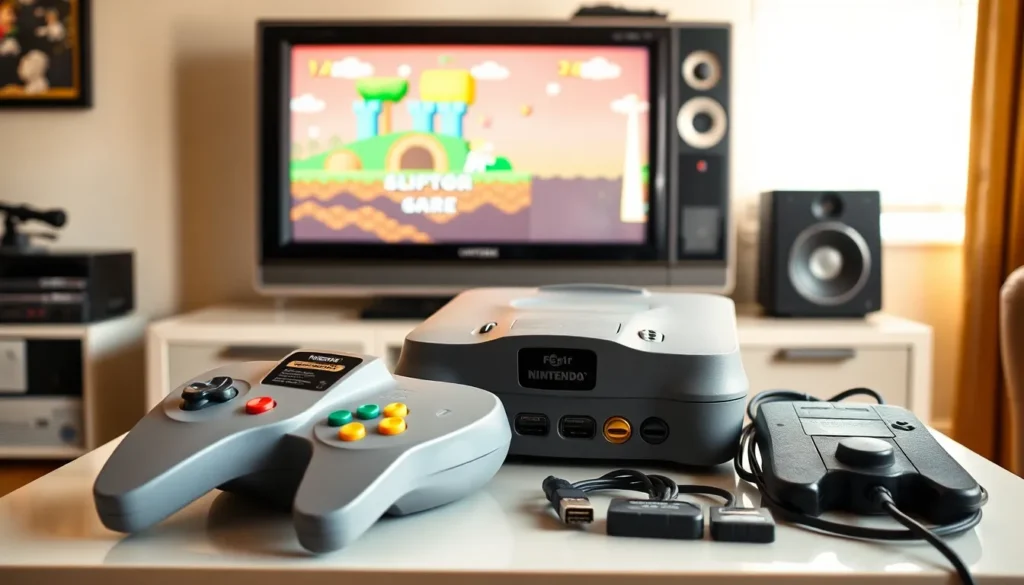
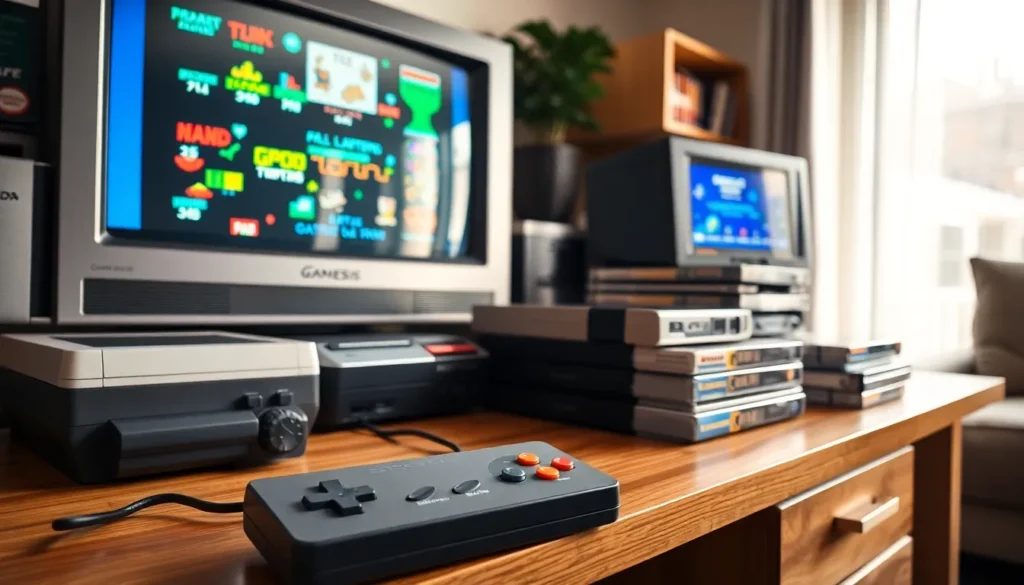

Retro gaming has become a cultural phenomenon that attracts millions of players worldwide. But what is retro gaming exactly? At its core, retro gaming refers to playing video games and using hardware from previous generations, typically systems that are at least 15 to 20 years old. Whether it’s firing up a vintage Nintendo console or loading a classic arcade title, retro gaming connects players with the roots of interactive entertainment. This guide covers everything from the definition and history of retro gaming to the best ways to start your own classic gaming journey.
Table of Contents
ToggleKey Takeaways
- Retro gaming refers to playing video games and hardware from previous generations, typically systems at least 15 to 20 years old.
- Classic consoles like the NES, Sega Genesis, SNES, and PlayStation 1 define the retro gaming landscape and remain highly collectible.
- Retro gaming remains popular due to nostalgia, challenging gameplay, tight controls, and a design philosophy that prioritizes immediate fun.
- You can experience retro gaming through original hardware, emulators, mini-consoles, or digital re-releases on modern platforms.
- Start your retro gaming journey by researching prices, choosing a platform, and focusing on must-play titles rather than collecting randomly.
- Joining online communities helps you connect with fellow enthusiasts, find deals, and learn about game preservation efforts.
Defining Retro Gaming
Retro gaming describes the hobby of playing video games from past generations. Most enthusiasts consider a game “retro” if it was released on hardware that’s no longer in active production. The cutoff varies by opinion, but many agree that games from the 1970s through the early 2000s qualify.
Some players define retro gaming strictly by console generation. For example, anything from the 8-bit and 16-bit eras, think the NES, Sega Genesis, or Super Nintendo, falls squarely into this category. Others expand the definition to include early 3D consoles like the PlayStation 1 and Nintendo 64.
Retro gaming also includes arcade cabinets, handheld devices, and even classic PC titles. The common thread? These games represent a distinct era of design philosophy, graphics, and gameplay mechanics that differ significantly from modern releases.
It’s worth noting that retro gaming isn’t just about the hardware. Many players experience classic titles through emulators, remasters, or digital re-releases on modern platforms. The experience of playing an older game, regardless of how you access it, is what defines the retro gaming experience.
The History and Origins of Retro Gaming
The history of retro gaming begins with the birth of video games themselves. In 1972, Atari released Pong, a simple tennis simulation that sparked the arcade revolution. Home consoles followed shortly after, with the Atari 2600 bringing gaming into living rooms in 1977.
The 1980s saw an explosion of creativity. Nintendo revived the industry after the 1983 video game crash with the Nintendo Entertainment System (NES) in 1985. Iconic franchises like Super Mario Bros., The Legend of Zelda, and Metroid defined this period. Sega entered the competition with the Master System and later the Genesis, creating the first major console war.
The 1990s pushed technology forward. The Super Nintendo and Sega Genesis delivered 16-bit graphics and memorable soundtracks. Then came the jump to 3D with the PlayStation, Nintendo 64, and Sega Saturn. Games like Final Fantasy VII, Super Mario 64, and Tomb Raider changed player expectations forever.
Retro gaming as a distinct hobby emerged in the 2000s. As newer consoles arrived, players began revisiting older titles with fresh appreciation. Collectors started hunting for vintage cartridges, and online communities formed around preserving gaming history. Today, retro gaming represents both nostalgia and a genuine interest in the artistic and technical achievements of earlier eras.
Popular Retro Gaming Consoles and Platforms
Several consoles define the retro gaming landscape. Here are the most beloved systems that collectors and enthusiasts seek out:
Atari 2600 – The console that brought arcade gaming home. Classic titles include Space Invaders, Pitfall., and Asteroids.
Nintendo Entertainment System (NES) – The 8-bit legend. Must-play games include Super Mario Bros., Contra, and Castlevania.
Sega Genesis – Sega’s 16-bit powerhouse. Known for Sonic the Hedgehog, Streets of Rage, and Phantasy Star.
Super Nintendo (SNES) – Many consider this the pinnacle of 2D gaming. Highlights include Chrono Trigger, Super Metroid, and Donkey Kong Country.
PlayStation 1 – Sony’s entry changed everything. Final Fantasy VII, Metal Gear Solid, and Resident Evil became instant classics.
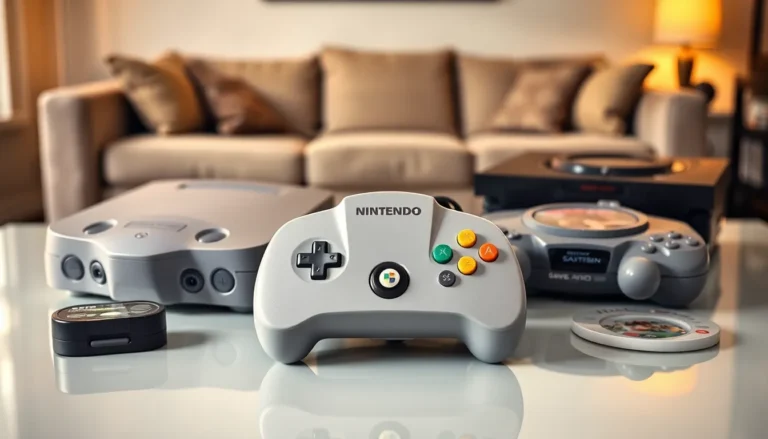
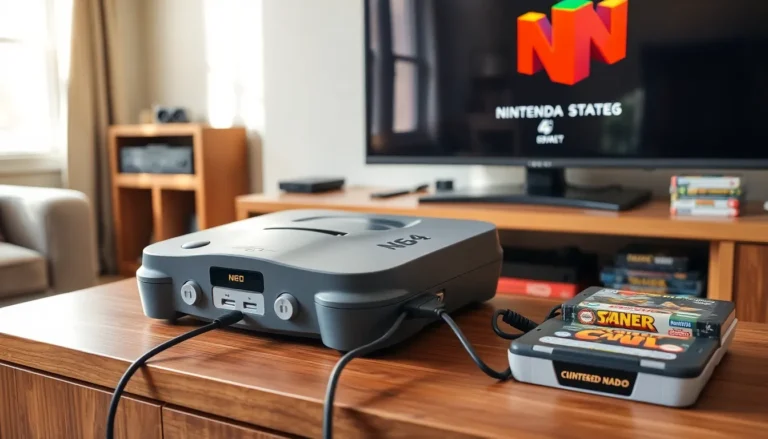
Nintendo 64 – The first Nintendo console with 3D graphics. GoldenEye 007, The Legend of Zelda: Ocarina of Time, and Super Mario 64 remain fan favorites.
Game Boy – Nintendo’s handheld revolutionized portable gaming. Pokémon Red and Blue alone sold tens of millions of copies.
Arcade cabinets also hold a special place in retro gaming culture. Titles like Pac-Man, Donkey Kong, and Street Fighter II defined competitive and social gaming before online play existed.
Why Retro Gaming Remains Popular Today
Retro gaming continues to thrive for several compelling reasons. First, nostalgia plays a powerful role. Adults who grew up with these games want to relive childhood memories, and share those experiences with younger generations.
Beyond nostalgia, many players appreciate the design philosophy of older games. Retro titles often prioritize tight controls, clear objectives, and immediate gameplay. There’s no waiting through lengthy tutorials or cutscenes. You pick up a controller and start playing.
The challenge factor also attracts players. Many classic games were genuinely difficult. Modern games often include checkpoints, assists, and difficulty options. Retro games frequently demanded skill and patience without safety nets.
Collectibility drives another segment of the community. Original cartridges, consoles, and accessories have become valuable. Rare games can fetch hundreds or thousands of dollars. This collecting aspect adds a treasure-hunting element to the hobby.
Finally, retro gaming offers an affordable entry point for new players curious about gaming history. Emulation, mini-consoles like the NES Classic Edition, and digital storefronts make classic games more accessible than ever. Retro gaming connects past and present players through shared cultural touchstones.
How to Get Started With Retro Gaming
Starting a retro gaming hobby doesn’t require a huge investment. Here’s how to begin:
Choose Your Platform – Decide whether you want original hardware or modern alternatives. Original consoles offer an authentic experience but may need maintenance. Mini-consoles and emulation provide convenience and lower costs.
Research Before Buying – Prices for retro games vary wildly. Check current market values on sites like PriceCharting before purchasing. Avoid overpaying for common titles.
Consider Emulation – Software emulators let players run retro games on computers, phones, or dedicated devices like the Analogue Pocket or MiSTer FPGA. This option works well for testing games before committing to physical purchases.
Start With Essentials – Every console has must-play titles. Build a small collection of highly-rated games rather than hoarding random cartridges. Quality beats quantity.
Join Communities – Reddit, Discord servers, and retro gaming forums connect enthusiasts worldwide. These communities share tips, trade games, and discuss preservation efforts.
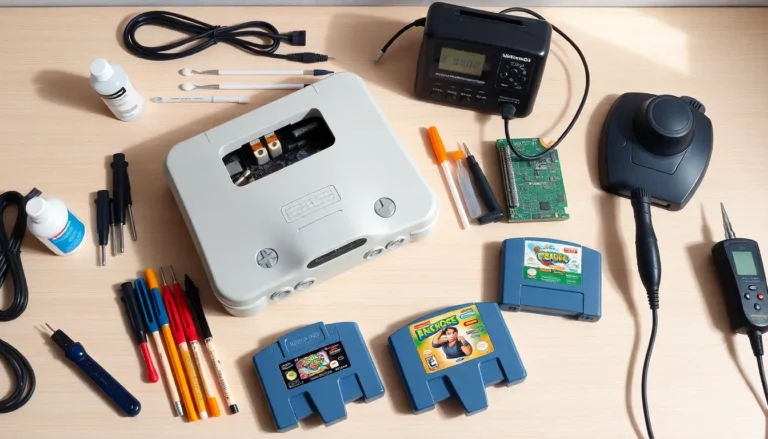
Protect Your Investment – Store cartridges properly. Clean contacts with isopropyl alcohol. Keep consoles dust-free. Proper care extends the life of vintage hardware.
Retro gaming rewards patience and curiosity. Start small, explore different eras, and discover why millions of players keep returning to these classic experiences.